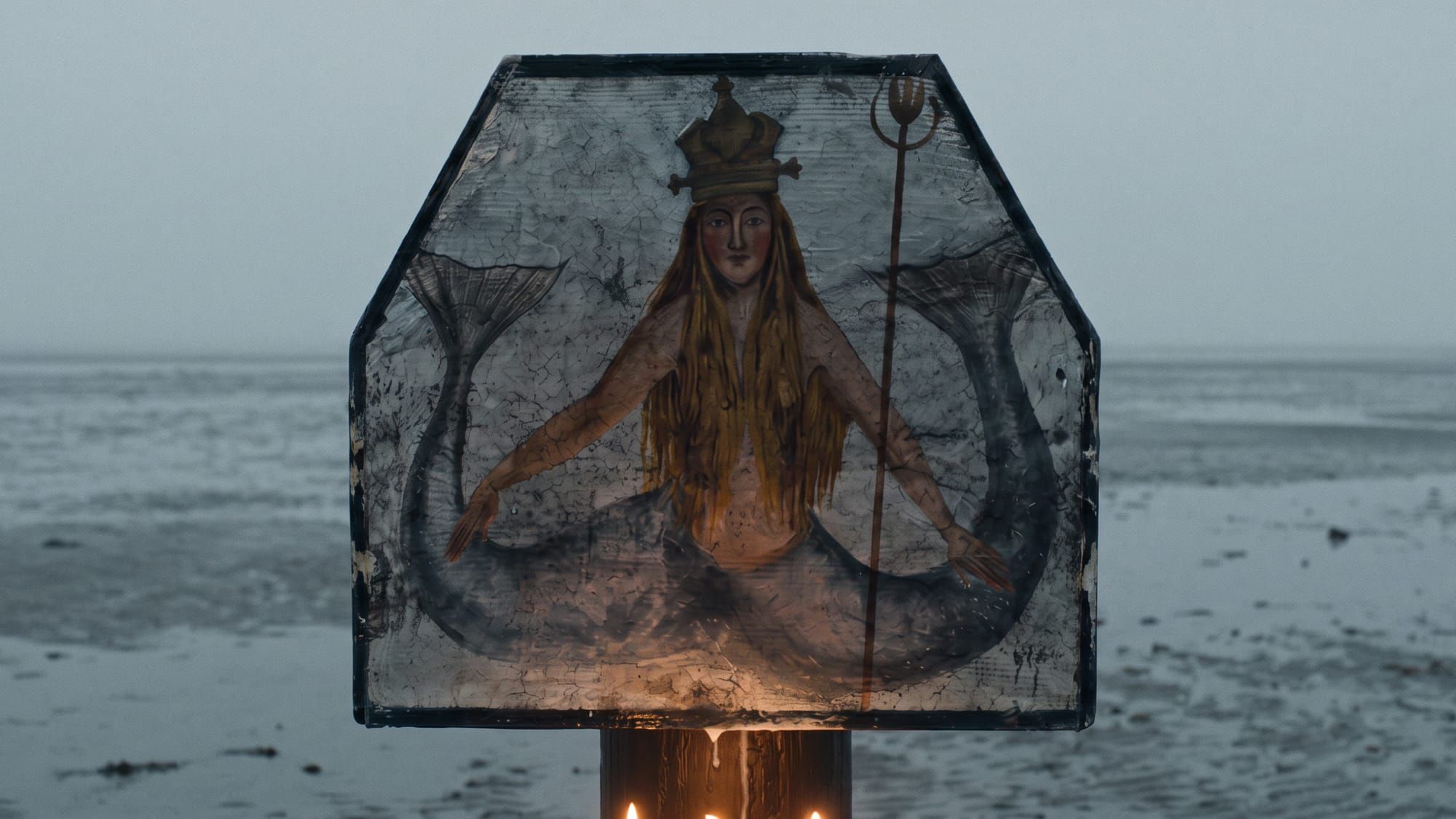

Matteo Bernardini is an Italian director who makes fairy tales: live-action shorts, silent films, and hand-painted animation he builds and films himself. Brine, an eight-minute silent fairy tale about a fishing village and a mermaid, is his first film made with generative AI. It screened at the Higgsfield Global Film Festival.
I watched it one morning and loved it. It's a good reminder that there are a lot of levels to telling stories with AI, and Matteo, who posts as matteo35mm on Instagram, works at the one where the filmmaking comes first. He wrote the script himself, shot-listed it like live action, cut it as he went, and treated every generation like a take on set.
He went looking for a story he couldn't easily tell with a camera, and he started with a question, which he put in his director's notes: "what was truly worth telling through this tool? Not a story, not moving images I could have shot in a conventional way."
It started with a Segantini painting
Brine opens on a mermaid swimming through cold northern waves while a flock of seagulls wheels around her. That sequence traces back to a painting by the Italian painter Giovanni Segantini: a sea creature coming out of a wave, with gulls in flight around it. Matteo didn't feed the painting to the tool. The festival required everything to be generated inside Higgsfield, so he used it as a guide for the action and the mood, and wrote prompts from that.
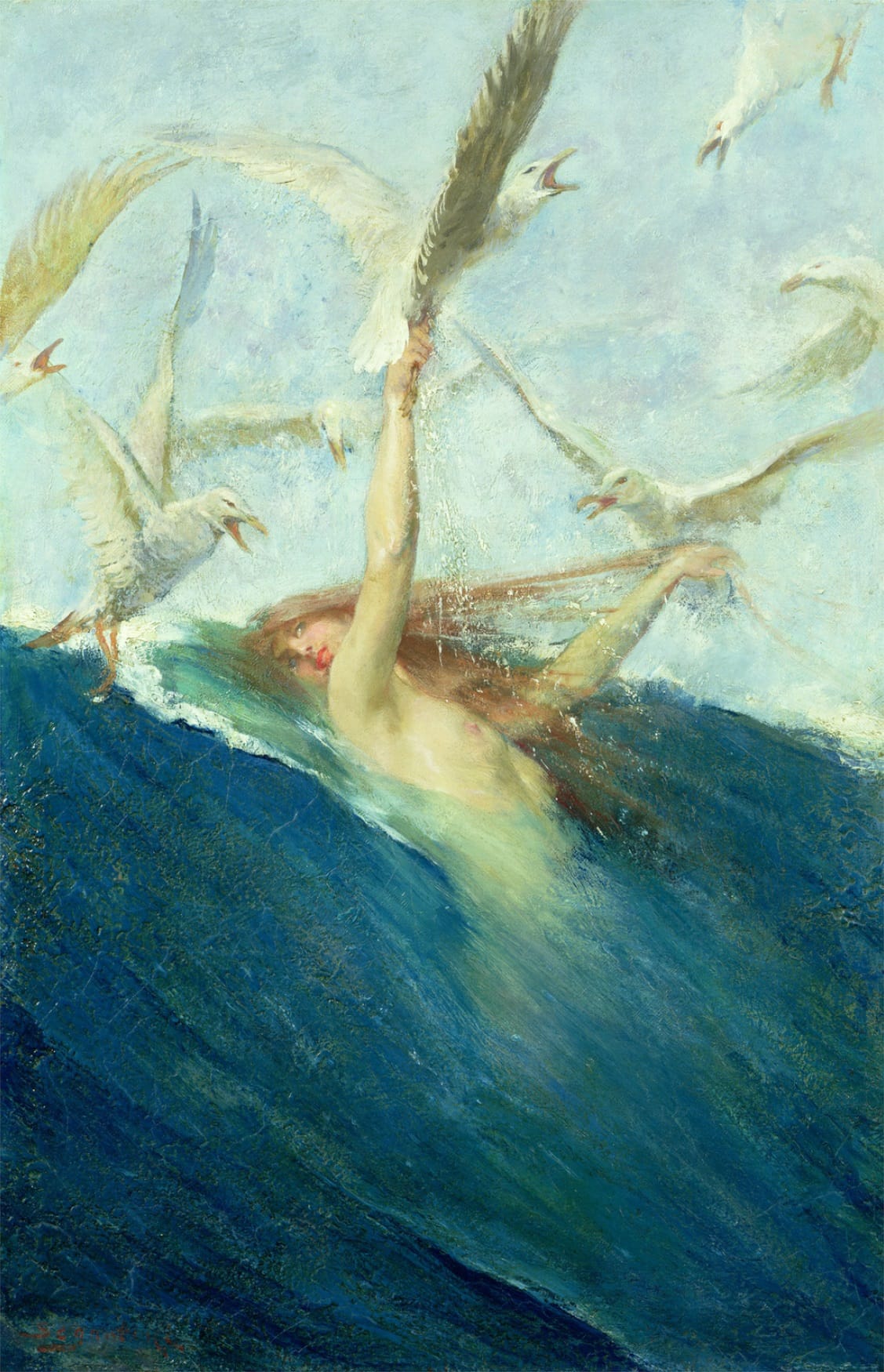
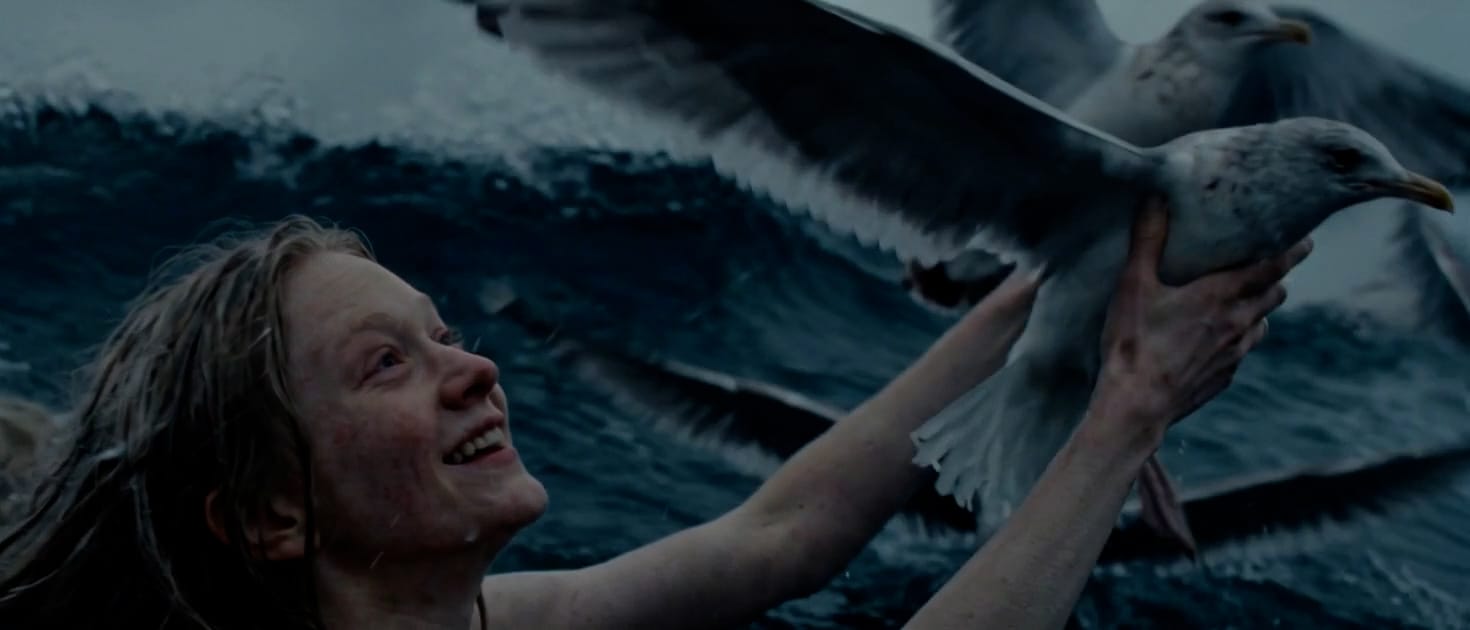

"I was fascinated by the possibility of showing a sea creature emerging from the water and following, in a sort of naturalistic choreography, the movement of the waves while interacting with a flock of flying seagulls," he told me. "That became the starting point for the film."
He also told me why that sequence convinced him to make this story at all. Doing it for real would have meant "an actress swimming freely in the Baltic Sea, in open water, surrounded by a flock of lively seagulls, and interacting with them in the way she does."
The script came first, and he wrote it without AI, the way he always does. Then came director's notes and visual ideas, which he later turned into detailed prompts.
A Danish village, around 1830
The film never says where or when it takes place. Matteo decided anyway: the Danish coast in the 1830s, as a quiet nod to Hans Christian Andersen.
That decision drove a lot of detail you'd never notice unless you knew to look. The priest wears the præstekjole, the Danish clergy gown, with the white pleated ruff called the præstekrave. "A period piece such as this requires great attention to detail if you want to create a world that feels alive and believable," he said. The same research shaped the faces he chose for the villagers.
For the village itself, he wrote a description of a poor mid-19th-century fishing village sitting slightly above the sea on a cliff. Then he generated versions in Higgsfield Soul Cinema until one came close to what he had in his head. That's the village in the film.
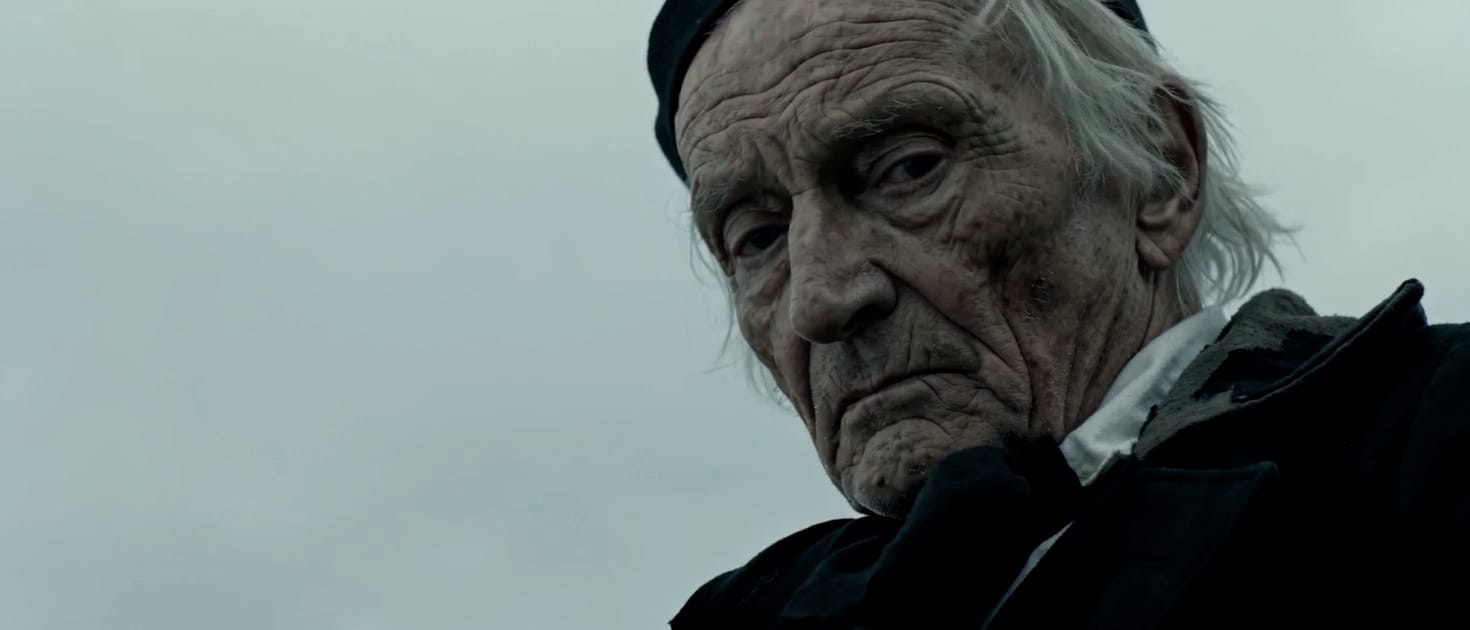
His prompts read like camera reports. "Each time, I specify the type of camera, film stock and lens I intend to use, as well as the weather, location and other relevant visual elements."
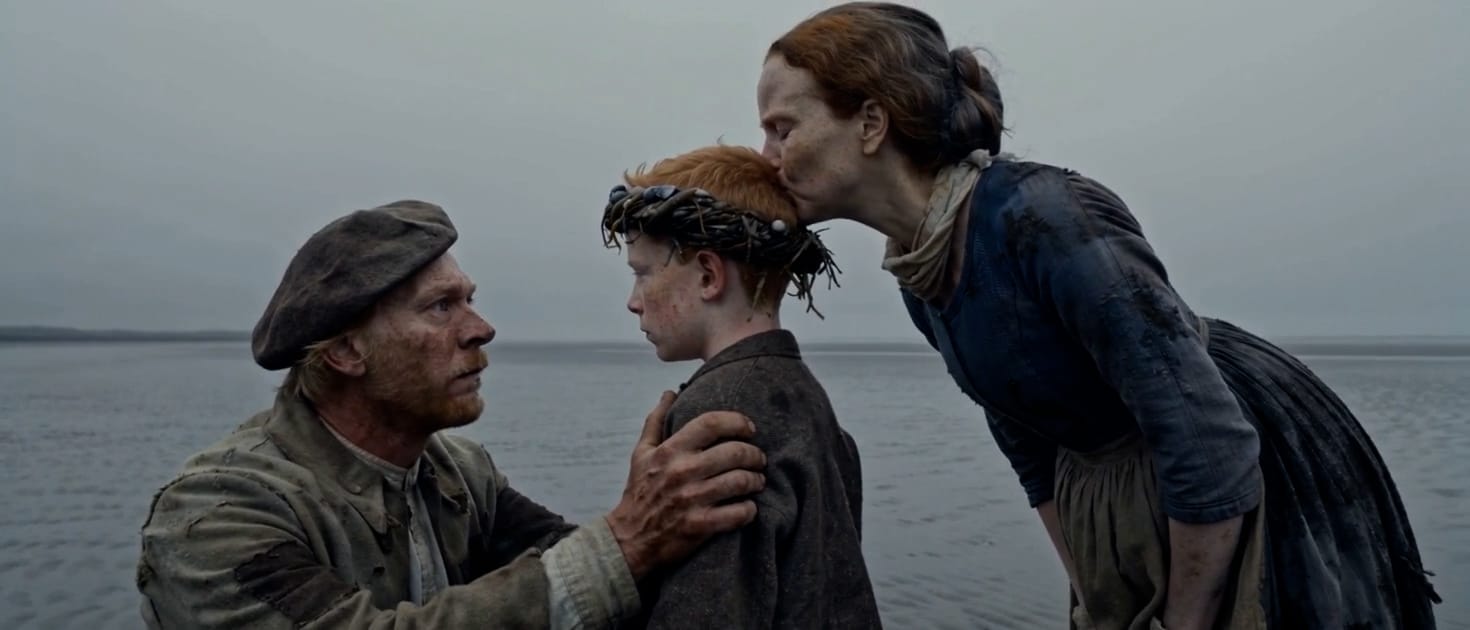
He tried Soul Cinema's character profiles to keep the cast consistent, but they didn't always hold. He was on a tight deadline and didn't stop to figure out why. Instead, he generated a reference image for each character and worked from those.
A shot list, no storyboard
Matteo is also an illustrator, and on live-action jobs he storyboards. He didn't for Brine.
Part of that comes from his animation work. Since the pandemic he's been making what he calls "Illustrated Cinema": he draws and hand-paints the characters, sets and props, then films and animates them himself. "The result is closer to illustrations coming to life than to traditional animation, and it is 100% handmade." Working that way, he'd already stopped storyboarding, because he pictures the finished film in his head while he writes the script, rough edit included.
What he did use was a shot list, so he wouldn't lose any shots at the pace he was working. And he edited as he went. Every usable shot went straight onto an offline timeline in Premiere Pro, so he could watch the film take shape and see what he still needed.
The total came to about 1,280 generations, stills and video combined, worked through mostly in script order.
He treated each generation like a take on set. When a clip came back with a cut in the middle of it, he threw it out, or salvaged a few seconds. "I do not allow AI to edit for me: I generate sequences as single shots, just as I would shoot them on a live-action set."
Why Brine is silent
Many of Matteo's fiction films are silent. He calls silent cinema "a language in its own right, and in many ways the very essence of the cinematic medium."
For Brine, the festival added a practical reason. Every sound, including dialogue and music, had to be AI-generated, with no real people. On his schedule, that looked like more trouble than it was worth.
The tone came from the Belgian Symbolist playwright Maurice Maeterlinck, whom he'd been rereading. Matteo wanted "a situation suspended between dream and nightmare, in which a sense of fatality—never entirely grasped by the audience, but certainly felt—constantly lingers over the characters' lives." He felt no dialogue would keep that ambiguity alive.
The soundtrack is nature sounds. "Nature is beautiful, but not necessarily welcoming; majestic, yet cruel."
The tail problem
The mermaid took the most fighting. He got a look he liked in Nano Banana Pro, but once he moved into Seedance for the swimming shots, the tail moved like an actress in a prosthetic. He wanted the kind of tail you see in paintings and illustrations, "fascinating and repulsive at the same time." His first cinematic version looked "too glossy and tropical."
So he went back to research, studying specific fish body types, and landed on a simpler design that looked more like an actual fish.
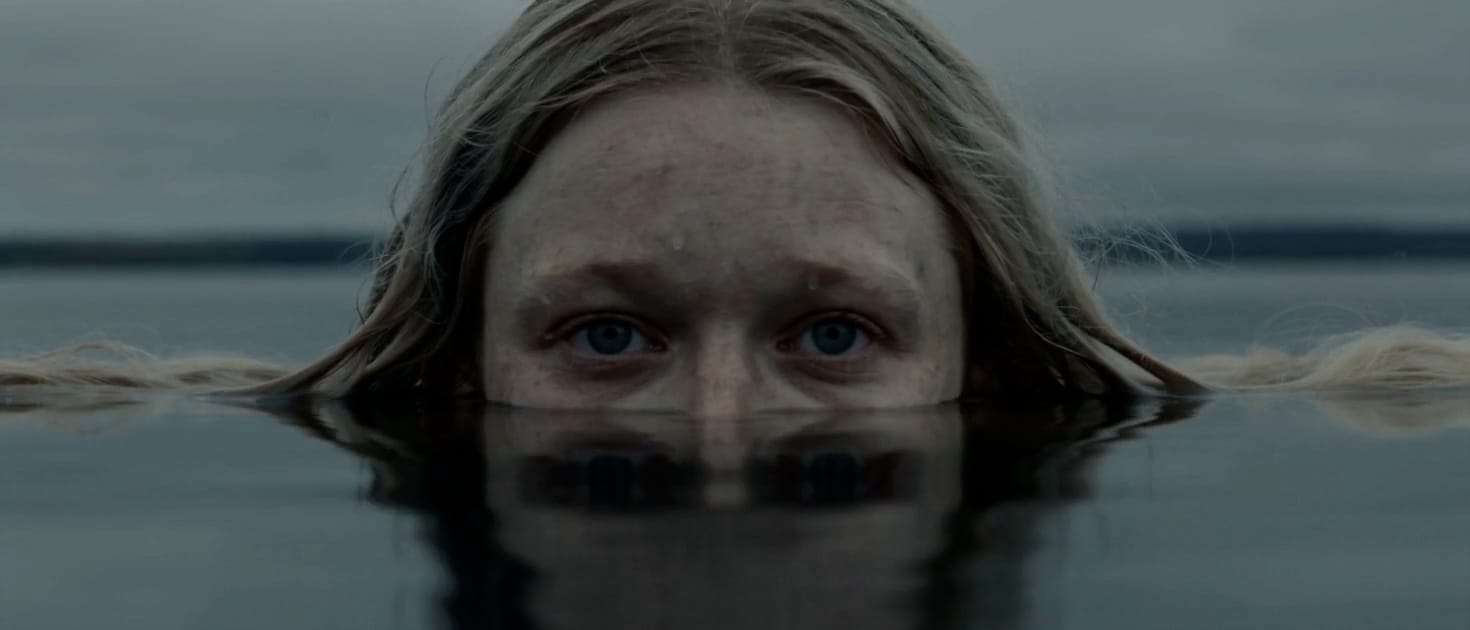
Then he made a bigger call in the edit. You never see the mermaid's whole body in Brine. "It forces the audience to rely on their own imagination and leaves the character elusive—something we can never completely grasp."
Seedance threw in some surprises of its own. An extreme close-up of a boy's legs walking into the sea came back with a third leg.
Directing a performance that isn't there
With no actor, Matteo describes directing as choreography. You know roughly how long each clip will run, so you decide what the character does every few seconds: each movement, each expression.
"In terms of performance, you become something like a meticulous puppeteer, asking for very specific actions."
Nolan, Greenaway and Peter Pan
Matteo's background is traditional film all the way down. He studied filmmaking in London, did the Master's in Advanced Directing led by Marco Bellocchio, and has spent years on assistant-director teams, on film sets and opera productions. His credits include Christopher Nolan's Tenet and Matthew Vaughn's The King's Man, and he has worked with Peter Greenaway and the opera director Robert Carsen.
His own work runs from music videos, including ones for Moby, to An Afterthought, an adaptation of J. M. Barrie's original Peter Pan epilogue. His animated series The Little Broomstick Rider premiered at Slamdance and won the Audience Award for Best Series. His films have also played the Pordenone Silent Film Festival, which makes sense after Brine.
He says he likes relatively few AI films, and the ones he likes mostly come from people with a filmmaking background. "AI is a means of expression: like any other tool, it can be quite revealing of the very human beings behind it—their talent, taste and artistic sensibility."
What's next
He's still working the traditional way too. He has a hand-crafted animation project to finish and a live-action feature in development, both shot conventionally.
He does want to keep going with AI, especially on what he calls "auteur pieces with high production values" that struggle to get financed. The version he's most interested in keeps real actors and builds parts of the world around them with AI.
"Now, potentially, you can greenlight yourself."
You can watch Brine on Matteo's YouTube upload, find more of his work at Neverbird Productions, his studio, and follow his Instagram, @matteo35mm.