
What does it actually feel like to let go of tools you built your identity around?
Before AI entered the picture, my tools said something very specific to the world.
They said I was serious.
I had invested close to six figures over the years into cameras, lenses, lights, audio, monitors. I shot everything with multiple cameras, even when it was overkill. I recorded in ProRes just because I had 96TB of space and I was sadistic. Instead of getting a slider, I had to have an edelkrone jib.
Was it flexing? Yes and, it was meant to signal professionalism, care, and commitment.
That gear gave me permission to call myself a video producer. It was momentum. A way of saying, “I’ve spent the money, so this is real now.”
The camera especially mattered.
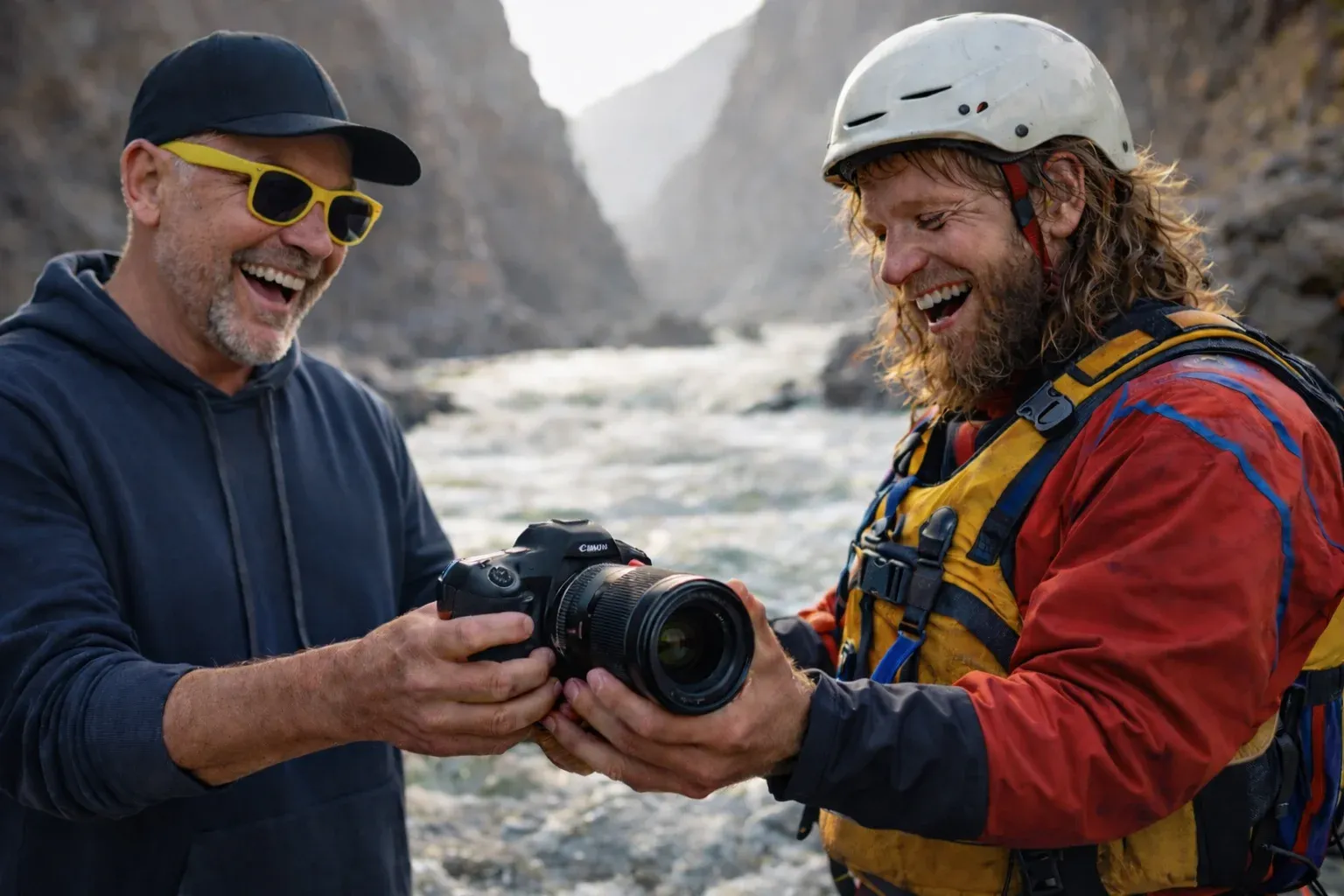
The first one I ever bought was a Canon EOS R. I saved for it. I dreamed about it. Watched too many reviews about it. That was the system I learned on. Selling it later wasn’t about dollars. It was about acknowledging that a chapter had ended.
When did those tools stop feeling like leverage?
It happened slowly, as work shifted and business slowed in pockets. I’d look at my camera bag and realize it hadn’t moved in weeks. At the same time, the physical reality of carrying all that gear (when I needed to) started to weigh on me. Literally and figuratively.
I was doing more run-and-gun work. Traveling. Shooting more aggressive schedules. Four or five locations in a day. Dragging cases through distilleries, warehouses, and event spaces. The gear that once made me feel capable started to slow me down.
More importantly, it anchored me to a very specific type of work. Studio setups. Sit-down interviews. Pre-planned shoots. That wasn’t bad work. It just wasn’t the only work I wanted to do anymore.
Was letting go emotional?
I’ve never been especially sentimental about objects. I always saw gear as something you hold for a while and then pass on. I made sure it went to people who needed it. People getting started. People who were interesting.
What I felt was closure.
I’ve always thought of my work in versions. Version one of Daring Creative was spent producing podcasts and courses during the early pandemic. Version two was the more embedded business and lifestyle work I did. Version three is different. It’s lighter. More flexible. Less tied to physical logistics. More work that allows me to use my knowledge about many things, not just my technique in one thing.
So, selling the gear wasn’t grief. It was acknowledging that this version required different tools.
Why does this shift feel uncomfortable for so many creatives?
It’s about identity, not tools. About past investments and choices. About the fear that learning something new means starting from zero or inviting judgment. About worrying that admitting you use AI somehow invalidates the work you’ve done before.
I understand the hesitation. Especially for people who’ve been doing this a long time.
But adapting here doesn’t mean outsourcing your thinking. It means changing how you solve problems. It means being willing to orchestrate instead of only execute. To explain clearly what you’re after and let the tools help you get there.
This tends to work well for generalists. For people who can connect ideas, give context, and stay patient through iteration. It also works for specialists who want more range around their core skill, not less.
What was the real thing I let go of?
I let go of needing my legitimacy to be visible through equipment. I let go of the idea that the “right” way to work was fixed. I let go of carrying weight that no longer helped me move forward. And to be clear, I didn't let go of just gear or old ways of doing things. I also let go of people.
In some ways, I let go of a disadvantage.
This shift also coincided with changing what Daring Creative was. Moving from a production company toward The Daring Creatives as a resource. Toward helping people understand what’s changing and how to orient themselves without panic or fear. Towards passing the torch and recognizing where I am in my own journey.
I don’t feel the need to compete with younger people by out-grinding them. I would rather help them.
What does this mean for you if you’re feeling hesitant?
If you’re uneasy about letting go, that doesn’t mean you’re behind. It usually means you care about your work and the path that got you here.
You’re not erasing yourself by changing tools. You’re deciding which version of yourself you want to keep investing in.
Letting go doesn’t have to be dramatic. Sometimes it’s just acknowledging that the work wants to be lighter now. And giving yourself permission to follow it there.