
// SYSTEM: DIGEST // LIVE
AI WORKFLOW
OPINION
TUTORIALS
ChatGPT
ChatGPT
William Smith
William
CONVERSATIONS WITH CODE

The Skill That Nobody Puts in the Job Description

The thing nobody puts in the job description is the last thing AI will ever replace.

Article Details Transparency Protocol v3.0
William 50%
Original ideation, source material, and editorial review.
AI 50%
Structural formatting, initial prose drafting, synthesis from source material.
Stack: Claude Sonnet 4.6 (Cowork)

Everyone's asking the same question right now: what happens to my job when AI can do what I do?

It's a fair question and I think about it too quite a bit.

I think the honest answer is that technical skill is becoming a commodity. The things that used to require years of practice — editing footage, writing copy, building a website — are going to be accessible to anyone, for almost nothing. That future isn't coming. It's here.

The Thing That Was Never on My Resume

But here's what I keep coming back to when I think about my own career: the thing that actually made me good at my jobs was never on my resume.

I've done a few different things professionally. And when I think about what separated me from the next person — the actual deciding factor when everything else was roughly equal — it was soft skills every time.

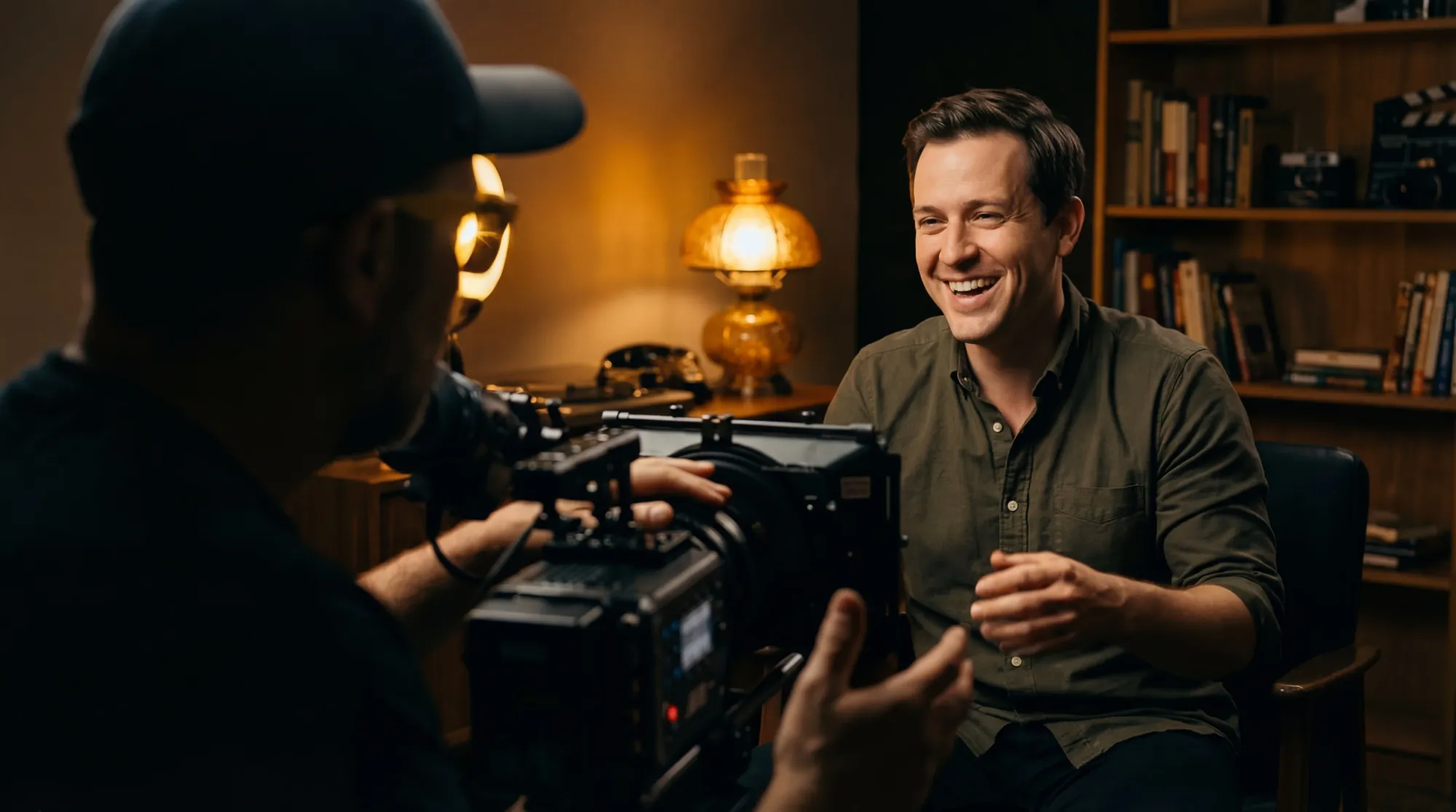
I'll use videography as the example because it's specific and I lived it. When companies post for a videographer, the job description is almost always the same: must know Premiere, must have shot on a RED, must have X years of experience in corporate or documentary work. Technical checkboxes. Every single time.

What they never ask: Can you make someone comfortable on camera? Are you a good interviewer? Can you read a room and adjust in the moment?

Nobody puts that in the job posting.

But that's the whole thing, right? That's the part that determines whether you come back with footage that's technically clean or footage that actually captures something real.
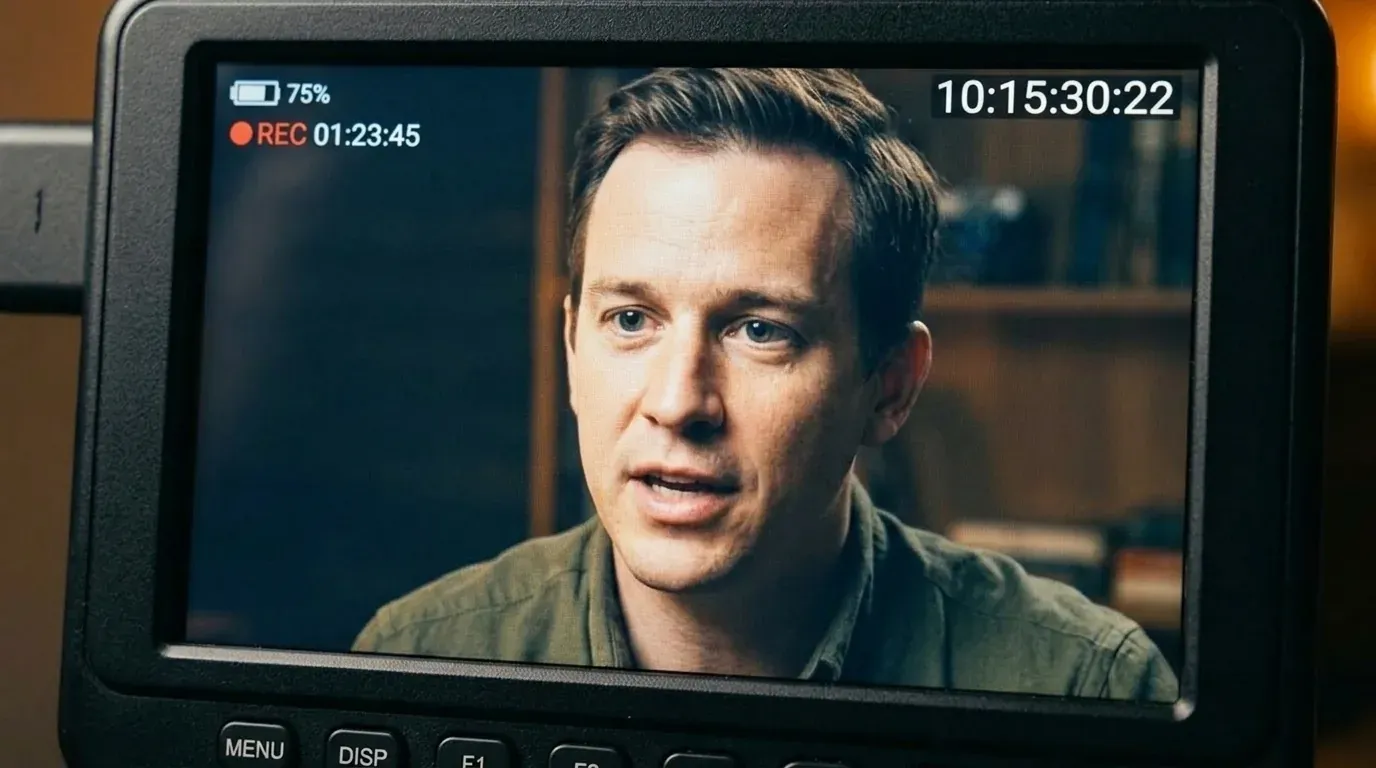
The Other Side of the Camera

I got into videography partly because I was on the other side of it once.

I was being filmed and the person directing me was awful at the people part — not the technical part. Her camera work was fine. But she made me tense, uncomfortable, guarded. Everything I said on camera came out wrong. And I thought: the technical stuff can be learned in a few years. The thing this person is missing? Not making the person you're filming feel like shit.

Most of my peers in videography focused almost entirely on the craft of the image — the reel, the angles, the color grade. Almost none of them were asking how to make the person being filmed feel safe enough to be honest. Especially in corporate work, where people are already stiff and performing, that's the whole job. And it was invisible.

The Gap AI Will Only Widen

With AI, this gap is only going to get wider. Everyone's going to be able to produce technically proficient work. The image quality, the edit, the composition — that's going to be table stakes. What can't be automated is taste, judgment, and the ability to make another human being feel understood.

The problem is that "taste" and "psychological safety" and "rapport" are incredibly hard to put in a job posting. You don't learn about them from a portfolio — you learn about them from a conversation. From watching how someone handles pressure, or how they talk about the people they've worked with.

I don't think companies are going to get better at hiring for these things anytime soon. But I do think the people who've invested in them — who've made it their thing to actually be good with people — are going to look very different on the other side of this.

The commodity isn't coming for the soft skills.

← Back to Digest

The Skill That Nobody Puts in the Job Description

The thing nobody puts in the job description is the last thing AI will ever replace.

The Skill That Nobody Puts in the Job Description
Article Details Transparency Protocol v3.0
William 50%
Original ideation, source material, and editorial review.
AI 50%
Structural formatting, initial prose drafting, synthesis from source material.
Stack: Claude Sonnet 4.6 (Cowork)

Everyone's asking the same question right now: what happens to my job when AI can do what I do?

It's a fair question and I think about it too quite a bit.

I think the honest answer is that technical skill is becoming a commodity. The things that used to require years of practice — editing footage, writing copy, building a website — are going to be accessible to anyone, for almost nothing. That future isn't coming. It's here.

The Thing That Was Never on My Resume

But here's what I keep coming back to when I think about my own career: the thing that actually made me good at my jobs was never on my resume.

I've done a few different things professionally. And when I think about what separated me from the next person — the actual deciding factor when everything else was roughly equal — it was soft skills every time.

I'll use videography as the example because it's specific and I lived it. When companies post for a videographer, the job description is almost always the same: must know Premiere, must have shot on a RED, must have X years of experience in corporate or documentary work. Technical checkboxes. Every single time.

What they never ask: Can you make someone comfortable on camera? Are you a good interviewer? Can you read a room and adjust in the moment?

Nobody puts that in the job posting.

But that's the whole thing, right? That's the part that determines whether you come back with footage that's technically clean or footage that actually captures something real.

The Other Side of the Camera

I got into videography partly because I was on the other side of it once.

I was being filmed and the person directing me was awful at the people part — not the technical part. Her camera work was fine. But she made me tense, uncomfortable, guarded. Everything I said on camera came out wrong. And I thought: the technical stuff can be learned in a few years. The thing this person is missing? Not making the person you're filming feel like shit.

Most of my peers in videography focused almost entirely on the craft of the image — the reel, the angles, the color grade. Almost none of them were asking how to make the person being filmed feel safe enough to be honest. Especially in corporate work, where people are already stiff and performing, that's the whole job. And it was invisible.

The Gap AI Will Only Widen

With AI, this gap is only going to get wider. Everyone's going to be able to produce technically proficient work. The image quality, the edit, the composition — that's going to be table stakes. What can't be automated is taste, judgment, and the ability to make another human being feel understood.

The problem is that "taste" and "psychological safety" and "rapport" are incredibly hard to put in a job posting. You don't learn about them from a portfolio — you learn about them from a conversation. From watching how someone handles pressure, or how they talk about the people they've worked with.

I don't think companies are going to get better at hiring for these things anytime soon. But I do think the people who've invested in them — who've made it their thing to actually be good with people — are going to look very different on the other side of this.

The commodity isn't coming for the soft skills.

// LEXICON_CITY_DISPATCH_REQ
// STATUS: CONNECTION_STABLE
// SOURCE: CENTRAL_DISPATCH_HQ

SHERMAN UPLINK: "I'm at HQ holding down Central Dispatch. Enter your query below to pull relevant data records and I'll see what data cards we've recovered!"