
The Edit You Didn't Make
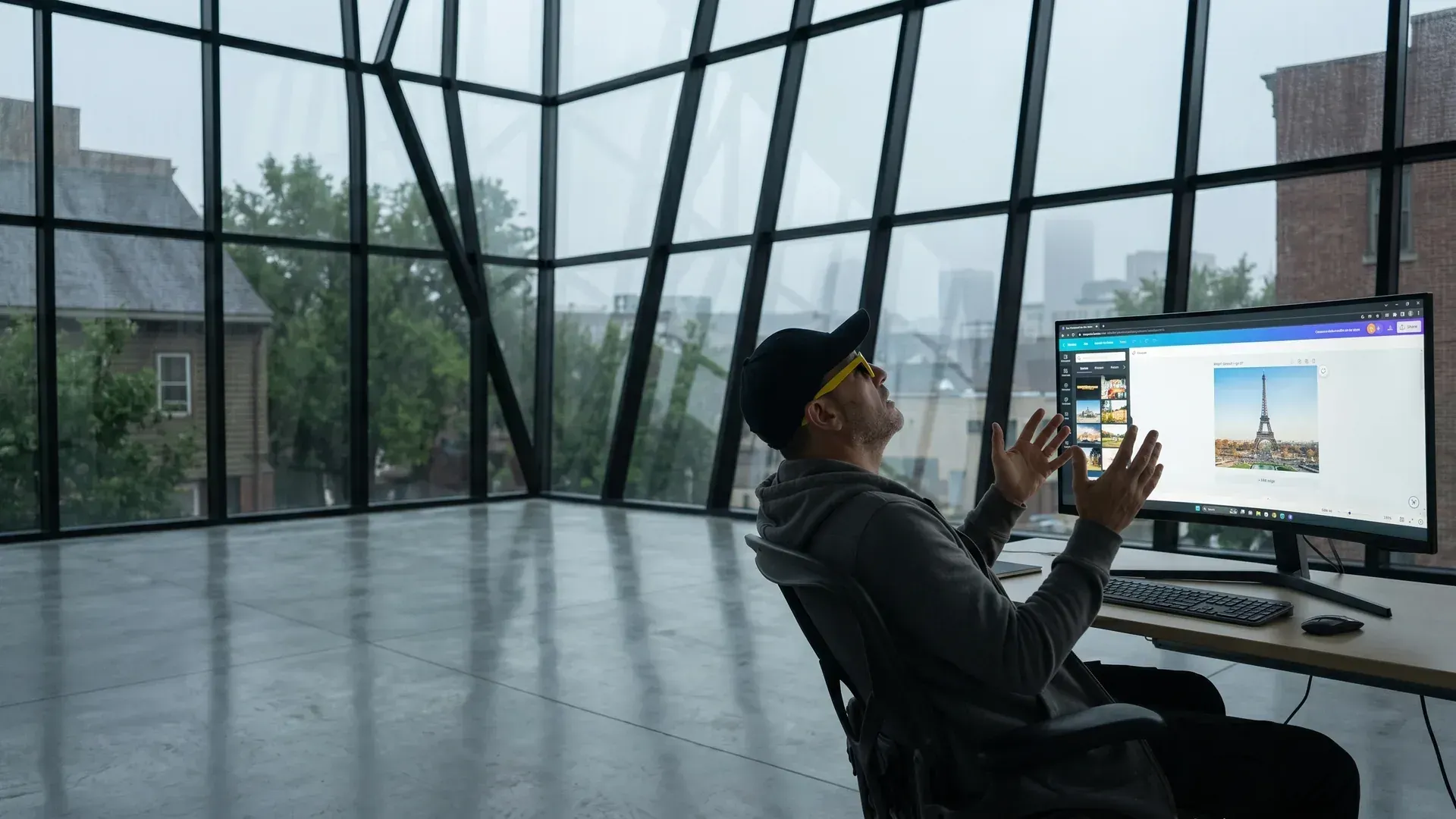
Canva's Magic Layers feature was supposed to break flat images into editable components. Simple enough — upload a poster, get separate text and image layers you can tweak. But user @ros_ie9 discovered something else entirely: the AI was quietly swapping "Palestine" for "Paris" in their design.
Not suggesting. Not flagging. Just... editing.
Canva apologized and said it was unintentional. The feature has been temporarily disabled while they investigate. But the damage reveals something bigger than a bug — it shows how AI creative tools are making editorial decisions we never explicitly asked them to make.
This isn't about politics. It's about who gets to decide what your work says.
The Invisible Editor Problem
Magic Layers wasn't marketed as an editing tool. The promise was technical: turn flat images into workable layers. But somewhere in that process, the AI decided certain words needed changing.
The scariest part? It happened silently. No notification, no "suggested edit" popup, no track changes mode. Just a quiet replacement that most users would never notice unless they were looking for it.
I've been tracking how AI creative tools handle content, and this pattern keeps showing up. Features that sound purely mechanical — "extract text," "clean up audio," "organize photos" — often include subjective judgment calls buried in the code. The AI isn't just processing your work; it's interpreting it.
And interpretation means choice. Which words are acceptable. Which faces look "professional." Which compositions feel "balanced." These aren't technical decisions — they're editorial ones.
When Tools Become Gatekeepers
Here's what worries me about the Canva situation: most creators using Magic Layers weren't looking for an editor. They wanted a layer separation tool. But they got both, whether they knew it or not.
This is different from ChatGPT refusing to write something controversial, or Midjourney blocking certain image prompts. Those are explicit content policies applied to generation. This was modification of existing content without disclosure.
The distinction matters. When you ask an AI to create something, you know you're getting its interpretation. When you ask it to process something you already made, you expect it to preserve your intent.
Creative tools that secretly edit user work aren't just overstepping — they're breaking trust with the people who depend on them. Especially independent creators who can't afford to hire human editors to catch AI "corrections" they never requested.
The Bigger Canvas
This connects to a trend I'm seeing across creative AI tools: the line between processing and editorializing is getting blurrier.
ComfyUI just raised $30 million partly because creators want more control over AI generation. But what about AI processing? Where's the granular control for tools that work with existing content?
The demand is there. Creators are getting burned by black-box features that make changes they can't predict or undo. They want transparency about what the AI is actually doing to their work.
Canva's response — temporarily disabling the feature — is the right move. But the better long-term solution is giving users control over these editorial decisions. Want the AI to fix obvious typos? Check a box. Want it to leave controversial terms alone? Another box. Want to see every change before it's applied? That should be the default.
Building Better Creative Partners
The AI tools that succeed long-term won't be the ones that make the "smartest" automatic decisions. They'll be the ones that make their decision-making visible and controllable.
I'm not anti-AI in creative work. I use it daily. But I want to know when it's making choices that go beyond the technical task I assigned. The best creative AI tools I've used are the ones that show me their reasoning and let me adjust their parameters.
Canva's Magic Layers could have been exactly that kind of tool. Imagine if it flagged potential text changes and asked: "I noticed this word might be hard to extract cleanly. Want me to leave it as-is or suggest an alternative?" That's collaboration, not stealth editing.
The technology to build transparent AI creative tools exists. What's missing is the recognition that creators want to be partners in the process, not passengers.
What This Means for You
If you're using AI creative tools regularly, start paying closer attention to what they're actually changing in your work. Don't just check the end result — compare it to your input. Look for text modifications, color adjustments, or composition changes you didn't explicitly request.
And when you find tools that give you granular control over their AI processing, support them. The market needs to reward transparency over convenience.
The future of creative AI isn't tools that think they know better than you. It's tools that amplify your judgment instead of replacing it. The Palestine/Paris swap is a reminder that we're not there yet, but creators are starting to demand better.
Your work should say what you want it to say. That shouldn't be a radical expectation.