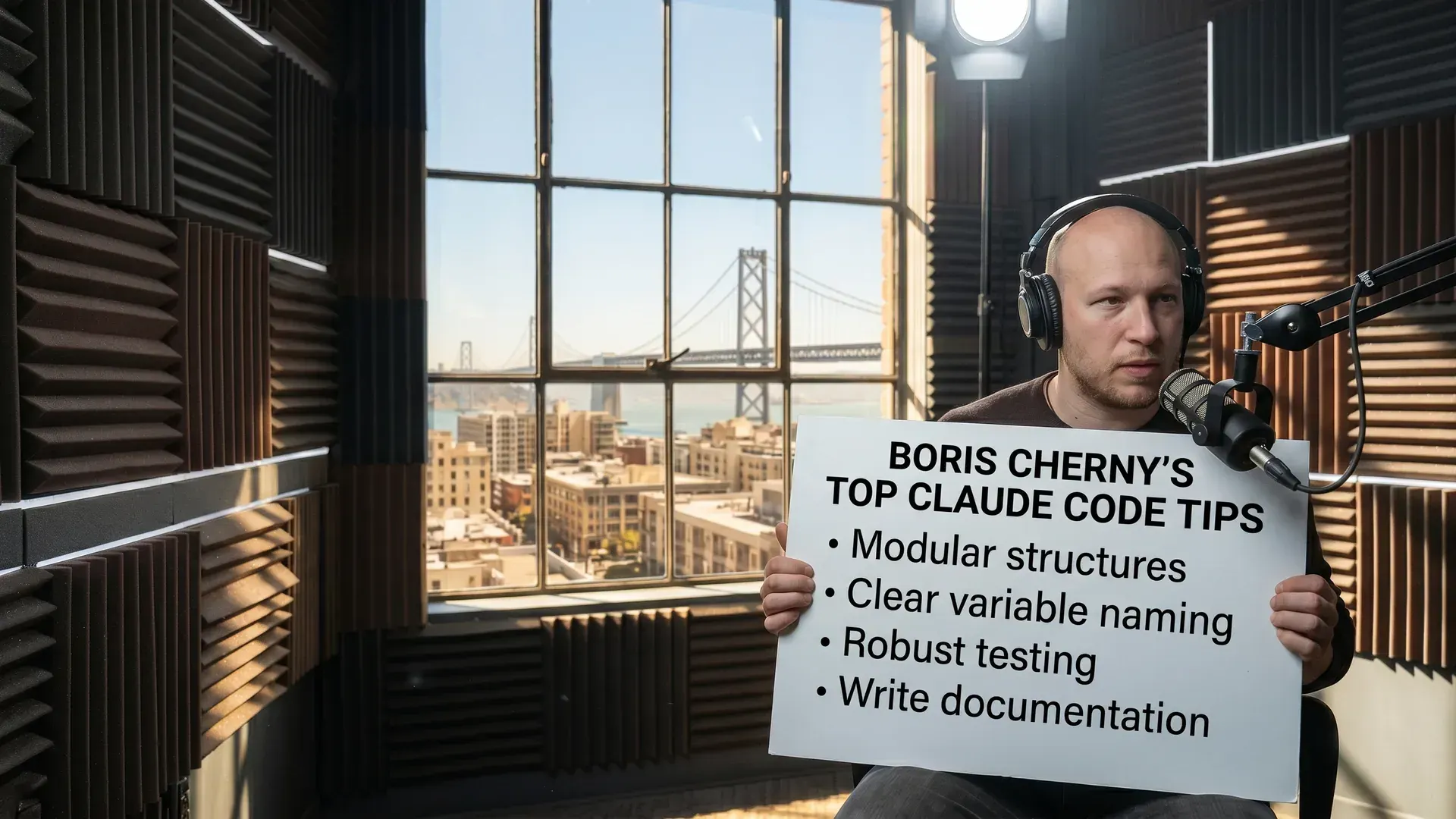

I saw Boris Cherny's thread about hidden Claude Code features blow up yesterday. Seventeen parts, 2.2K likes, everyone sharing their favorite shortcuts and power-user tricks. And honestly? It made me a little sad.
I'm sad because we're doing that thing again where we make the tools the hero instead of what people build with them.
The Productivity Trap
Every time a new AI tool gets traction, the same thing happens.
First, everyone scrambles to learn it.
Then, the "power users" emerge with their advanced techniques.
Finally, the discourse shifts from "what can you make?" to "how many features do you know?"
It's productivity porn.
Here's the thing about hidden features: they're hidden for a reason. Most people don't need them. The best tools work great right out of the box for 90% of use cases. If you're hunting for advanced shortcuts, you might be optimizing the wrong thing.
What Actually Matters
I've watched people transform their creative practice with AI tools. The ones who succeed don't know every keyboard shortcut. They know something more important: what they're trying to build.
They start with a clear outcome in mind.
Maybe it's a blog that doesn't suck (that was mine). Maybe it's an app that solves a real problem. Maybe it's turning their messy thoughts into something coherent.
They use whatever features help them get there and ignore the rest.
The person who knows three Claude Code shortcuts but ships something meaningful is infinitely more valuable than the person who knows thirty shortcuts but never ships anything.
The Real Hidden Feature
You want to know the most underused feature in every AI tool?
Most people treat AI like a search engine (yes, you've heard this before I know).
But yet you still do it! Admit it..
Conversely, the people getting incredible results are the ones who learned to be specific about their goals, their constraints, and their quality standards.
Learning In Public vs. Gatekeeping
I'm not saying don't share tips.
Boris's thread is genuinely helpful for people who want to level up their Claude Code skills.
The problem isn't the sharing — it's when the conversation becomes about who knows the most obscure features instead of who's building the most interesting things.
There's a difference between "here's how I use this tool to solve real problems" and "here are seventeen features most people don't know about."
One empowers beginners. The other creates a new form of gatekeeping where you have to memorize a bunch of shortcuts before you're allowed to call yourself proficient.
The best AI content creators I follow share their process, not just their settings. They show the messy middle part where they're figuring things out. They talk about what didn't work and why. They make it clear that knowing the tools is just table stakes — the real work happens when you apply them to something that matters to you.
What We Should Be Talking About Instead
Let's celebrate the person using basic Claude features to write better documentation for their open source project. Or the artist using simple prompts to explore ideas they couldn't access before. Or the parent using AI to help explain complex topics to their kids.
These stories matter more than knowing how to enable advanced mode or whatever.
The Tools Will Change
The shortcut you memorized last month might be deprecated next month. The hidden setting that gives you an edge today might be the default tomorrow.
But the skills that matter — knowing what you want to build, communicating clearly, iterating based on feedback — those transfer to whatever tool comes next.
Focus on the outcomes. Learn the features that help you get there. Ignore the rest. And please, share what you're building, not just how you're building it.