The hardest part of my job isn't explaining how AI works. It's not setting up systems or writing prompts or debugging workflows.
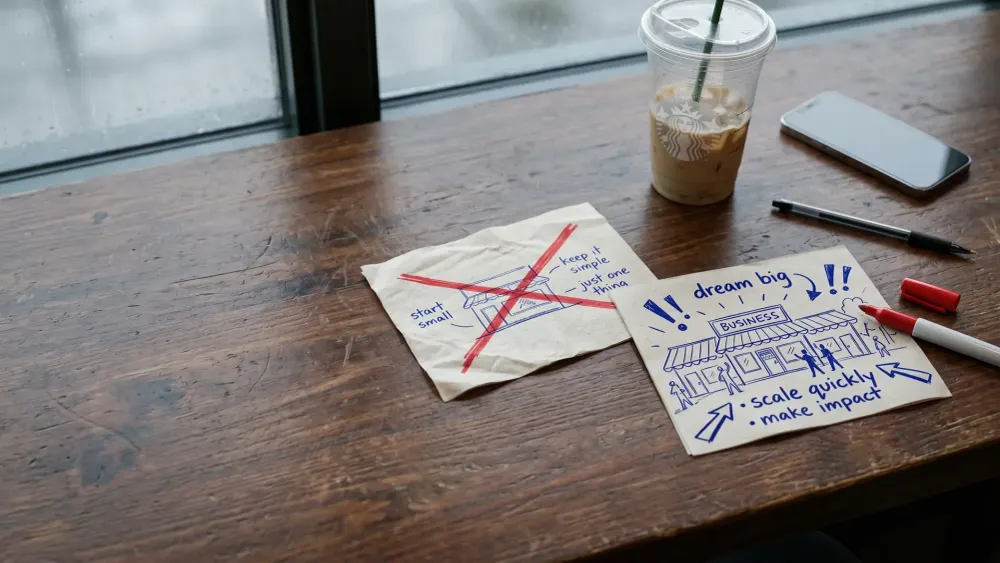
It's convincing creators to stop thinking small and actually build the thing that they really want.
The Default Mode is Small
I'll be working with someone on automating their creative practice, and they'll start describing this elaborate vision.
Then halfway through, they catch themselves and say something like "but I know that's probably not realistic" or "maybe we should start smaller."
And I'm sitting there thinking.. "dude, what you just described? We can absolutely build that."
The problem is that most creators have been conditioned to ask for less than what they actually need. Maybe it's from years of being told to "start small" or from dealing with tech limitations that don't exist anymore.
But here's the thing — if you can describe it well enough, and you understand how the pieces connect, you can pretty much make anything happen. The AI tools we have now are insanely capable. The infrastructure exists. The only real constraint is imagination.
Systems Thinking Changes Everything
Let me give you a real example from the art world.
I worked with an artist whose work is pretty distinctive — he creates these elaborate space-themed pieces using epoxy resin. Beautiful stuff, but epoxy's a weird medium. It's got unique properties and layering techniques that are nearly impossible to capture properly in photos, especially when you're trying to show how the pieces might look in different spaces.
He initially asked if we could "maybe find a way to superimpose his art into some stock room photos."
But when we dug deeper, what he actually needed was a way to show potential collectors exactly how these epoxy pieces would look in any space they could imagine. Living rooms, galleries, offices, you name it. And not just static images — video that could capture how the layers interact with light as you move around the piece.
So instead of buying some off-the-shelf product that drops art into generic stock images, we built our own system using Gemini Pro. Now he can generate imagery and video of his work in literally any scene someone describes. A penthouse overlooking the city, a minimalist gallery, a cozy study — whatever helps the collector visualize it.
This is not a simple photo editing tool. Instead, its a custom visualization system that understands his specific medium and techniques.
And yeah, we built exactly that.
The Permission You Don't Need
Anything you can think of is probably buildable. If you can break it down into logical steps, if you can explain how the pieces should connect, there's almost certainly a way to make it happen.
You don't need permission to want the full solution. You don't need to apologize for having big ideas. You don't need to start with the baby version and work your way up.
Start with what you actually need. Then we'll figure out how to build it.
The technology isn't the constraint anymore. Your willingness to ask for what you really want is.
Stop Negotiating with Yourself
I see this pattern constantly. A freelancer will describe exactly what their practice needs, then immediately start walking it back. "But I know that's probably too complex" or "maybe we should focus on just one piece first."
Why are you negotiating yourself down before we've even looked at what's possible?
The conversation should be: here's what my creative work actually needs. How do we build that? Not: here's a watered-down version of what I think I can get away with asking for.
Most of the time, building the full solution isn't that much harder than building the compromised version. And the compromised version usually doesn't solve the actual problem, which means you end up rebuilding anyway.
Think Like Everything is Possible
Because it basically is.
If you're a content creator and you want a system that automatically generates video thumbnails, extracts key quotes for social posts, and schedules everything based on your audience's engagement patterns — that's buildable.
If you're a freelance designer and you want an AI that can intake client briefs, extract style preferences, and generate preliminary mood boards while you sleep — that's buildable.
If you're a writer and you want a system that monitors your niche for trending topics, synthesizes them with your unique perspective, and drafts article outlines for your approval — that's buildable.
The question isn't whether it's technically feasible. The question is whether you're thinking big enough to ask for what you actually need.
Stop limiting yourself. The tools are ready. The question is: are you?