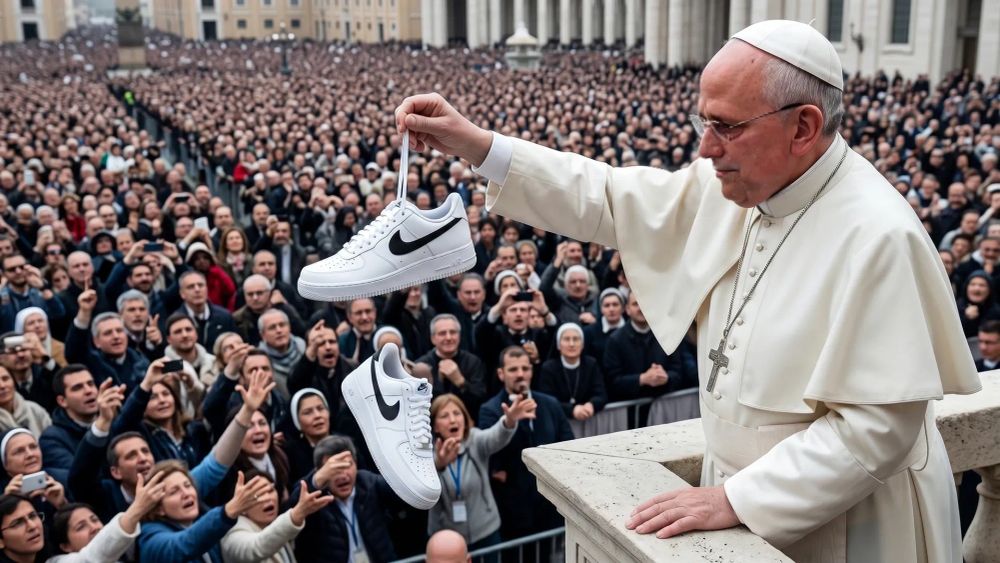
Pope Leo XIV just dropped his first encyclical calling for AI regulation, arguing that artificial intelligence must serve humanity rather than concentrate power among the few. And look, I actually agree with some of his concerns — especially about AI weapons development. Nobody wants killer robots deciding who lives and dies.
But here's where I have a problem: why is a religious leader making policy recommendations that would apply to people who don't share his faith?
Good Intentions, Wrong Authority
The Pope raises legitimate points about AI safety. AI weapons are genuinely terrifying. The concentration of AI power in a handful of tech giants is worth worrying about. These aren't fringe concerns — they're the kind of issues that keep AI researchers awake at night.
But agreeing with the destination doesn't mean I'm okay with who's driving the bus.
When religious institutions start dictating technology policy, we're essentially saying that one group's moral framework should govern everyone else's tools. That's not how secular governance works, and it's not how it should work.
Whose Ethics Get to Win?
Here's the thing about AI regulation: someone's ethics are going to be baked into those rules. The question is whose.
If we let religious authorities shape AI policy, we're not getting neutral, evidence-based governance. We're getting policy filtered through specific theological beliefs about human nature, divine purpose, and moral authority. That might work great if you share those beliefs. But what if you don't?
What happens when the AI ethics council includes representatives from multiple faiths with competing views? What happens when secular technologists have to build systems that comply with religious interpretations of right and wrong?
You end up with the same mess we see in other areas where religious authority tries to govern secular life — rules that make perfect sense to believers but feel arbitrary or oppressive to everyone else.
The Unilateral Disarmament Problem
There's another issue here that the Pope's statement doesn't address: what happens when some groups follow the rules and others don't?
If Western democracies handicap their AI development based on religious ethical frameworks, but authoritarian regimes ignore those constraints entirely, we're not creating a safer world. We're just making sure the good guys fight with one hand tied behind their backs.
AI weapons are scary precisely because they don't respect national boundaries or moral frameworks. The countries most likely to ignore religious calls for restraint are also the ones most likely to use AI weapons against civilian populations.
That doesn't mean we should race to build killer robots. But it does mean that AI governance needs to be grounded in strategic realities, not theological ideals.
The Real Threat to Religious Authority
I suspect there's something else driving religious interest in AI regulation, though the Pope's statement doesn't say it directly.
AI tools are getting really good at helping people research and investigate claims independently. They can analyze historical texts, compare different sources, and help users trace the origins of beliefs and traditions. That's incredibly powerful for anyone trying to understand the world without relying on institutional authorities.
Religious institutions have historically been gatekeepers of knowledge and interpretation. AI democratizes access to information in ways that make those gatekeepers less necessary. When anyone can analyze religious texts using AI tools, or trace the historical development of doctrine, or compare different theological arguments, the institution's role as interpreter becomes less central.
I'm not saying this is why the Pope wants AI regulation. But it's worth noting that the institutions calling for AI oversight tend to be the same ones whose authority gets challenged when people have better tools for independent investigation.
Who Should Actually Govern AI?
So if not religious authorities, then who?
The people building the systems. The researchers studying the risks. The technologists who understand how these tools actually work. The ethicists who can think through implications without starting from predetermined theological conclusions.
That doesn't mean we ignore moral considerations. It means we base our governance on evidence, expertise, and democratic input rather than religious doctrine.
We need AI policy that's grounded in how these systems actually function, what risks they actually pose, and what safeguards actually work. That requires technical knowledge, not theological authority.
Separation for Good Reason
The separation of church and state exists for good reasons. It protects both religious freedom and secular governance. When religious institutions try to shape policy for everyone, they undermine both principles.
I respect the Pope's right to speak about AI's implications for his followers. But when religious leaders start making policy recommendations that would apply to everyone, they're overstepping their legitimate authority.
AI regulation is too important to be left to institutions whose primary expertise is spiritual guidance rather than technical governance. We need policies based on evidence and democratic input, not theological interpretation.
The stakes are too high for anything less. ```