
While most AI artists spend their time trying to hide the medium's rough edges, Voidstomper has built a 3 million-follower empire by making those edges the entire point.
Looping video clips of melting faces, extra hands sprouting from torsos, cursed geometry that shouldn't exist. Every post carries the same caption: “AI Generated Nightmare Fuel”
It's called AI horrorcore — a genre that didn't exist three years ago and now has millions of people scrolling through digital hellscapes every day.
The Errors Are the Art
Traditional digital artists spend months perfecting anatomy, lighting, perspective. AI artists often spend their time prompt-engineering away the weird artifacts — the extra fingers, the morphing faces, the impossible physics. Voidstomper does the opposite. But Voidstomper finds the places where the AI breaks down and builds his aesthetic around those breaks.
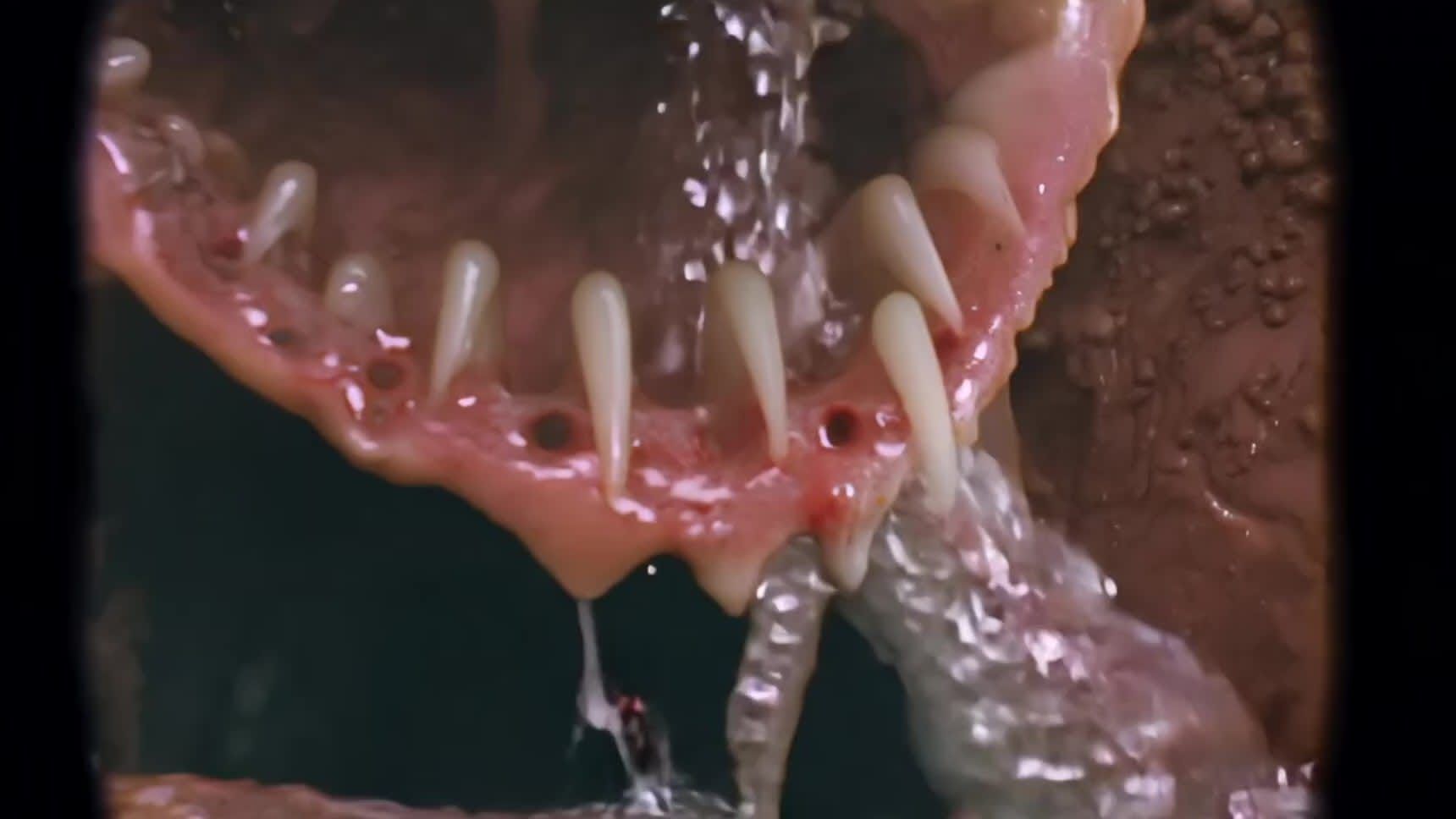
Take one of his most viral clips: a nightmare vagina-dentata emerging from sewage, featured in Dazed Digital's piece on the "freaky rise of AI horrorcore."
@voidstomper I asked AI to show me a depiction of hell... AI Generated Nightmare Fuel.
The horror doesn't come from traditional scary imagery. It comes from the uncanny valley effect of AI-generated content — that deep unease you feel when something looks almost right but fundamentally wrong.
According to his recent Instagram reel, he's using "a custom AI model using my face," which suggests he's training models specifically to generate this kind of controlled chaos.
Bigger Than the Museums
By follower count, Voidstomper might be the most-followed AI-native visual artist in the world right now. His 3 million Instagram followers dwarf even Refik Anadol's museum-backed presence on the platform.
Anadol goes institutional: gallery shows, corporate partnerships, sleek visualizations of data flows. Beautiful, yes. Shareable on Instagram? Not really.
Voidstomper goes populist: short, looping clips designed for phone screens and endless scroll sessions. One optimizes for art critics; the other optimizes for algorithm engagement.
While traditional AI art fights for gallery wall space, Voidstomper has figured out how to make AI art that people actually want to share. His side account, @gloomstomper, pulls another 519K followers with what he calls "interdimensional cartoons" — a slightly lighter take on the same aesthetic that lets him capture audience without diluting the horror brand.
The Creator Economy Angle
Voidstomper has turned his aesthetic into a business.
Earlier this year, he sold a PDF of 10 of his prompts for $25.
That might sound small, but it represents something bigger: he's productizing the process, not just the output.
Most artists sell the finished piece. Voidstomper is selling the recipe.
That's creator economy thinking applied to AI art — and it's working. Third-party estimates put his monthly income around $20k from viral AI video work.
The two-account strategy is smart too.
@voidstomper stays pure horror.
@gloomstomper handles the "interdimensional cartoons" — content that's weird enough to feel connected but safe enough to share with your mom. It's brand architecture for the algorithm age.
What Is Gloomstomper?
If you landed here searching for "Gloomstomper," here's the short version: Gloomstomper is Voidstomper's second account. Same anonymous artist, same AI-generated aesthetic, dialed from horror down to what he calls "interdimensional cartoons" — strange enough to feel related, tame enough to share widely. @voidstomper is the nightmare fuel; @gloomstomper (519K followers) is the version you can send a friend without a warning.
A few things people actually search for, answered plainly:
Is Gloomstomper the same person as Voidstomper?
Yes. It’s one anonymous creator running two accounts as a single brand — pure horror on @voidstomper, lighter "interdimensional cartoons" on @gloomstomper.
What AI does Gloomstomper use?
He hasn’t published a full tool stack. The one thing he’s said publicly, in an Instagram reel, is that he built "a custom AI model using my face" — training a model on himself to generate the look on demand. Beyond that, the specific tools aren’t disclosed, so I won’t guess at them.
How does Gloomstomper make his videos?
Short, looping AI-generated clips built around the moments where the model breaks — melting faces, impossible anatomy, cursed geometry — leaned into instead of cleaned up. The exact workflow isn’t public. The method is: find the glitch, make the glitch the point.
Where This Goes
AI horrorcore feels like it might be the first genuinely native art form to emerge from generative tools.
It's not trying to replicate traditional art techniques or compete with human-made imagery. It's doing something only AI can do — creating that specific type of wrongness that comes from machines trying to understand reality and getting it beautifully, terrifyingly wrong.
Voidstomper's success suggests there's a massive audience for art that embraces AI's weirdness instead of apologizing for it. While other artists chase photorealism and technical perfection, he's found 3 million people who want to see what happens when the machine breaks down.
That's not just an aesthetic choice. That's a statement about what AI art could be if we stopped trying to make it look human.
The glitch isn't a bug. For Voidstomper and his millions of followers, the glitch is the entire point.