My Week with Claude Cowork
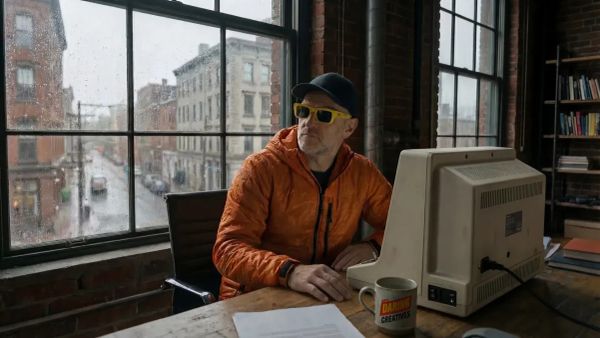
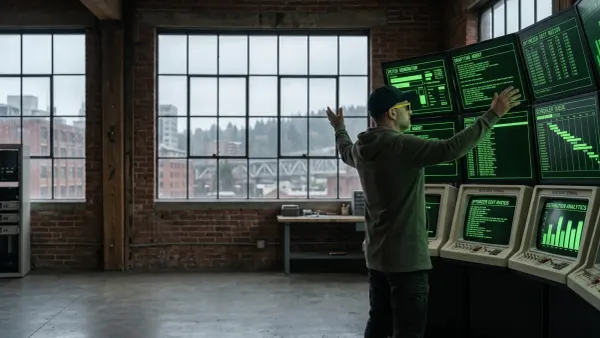
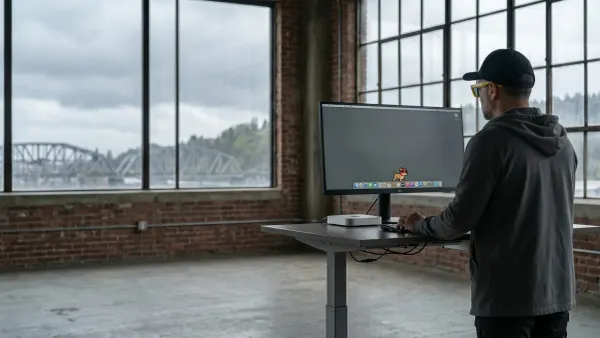
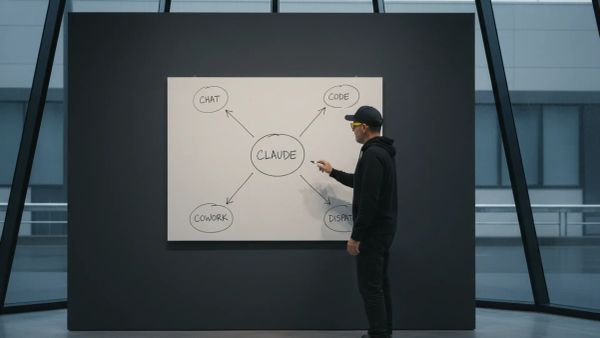
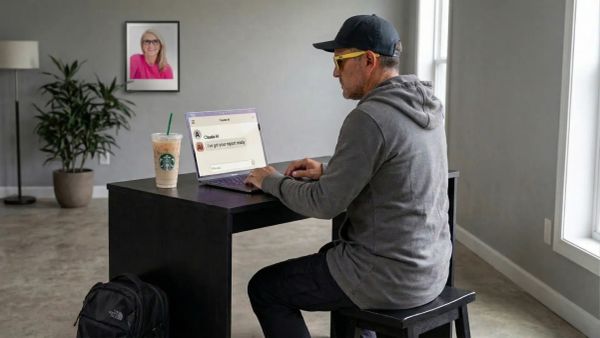
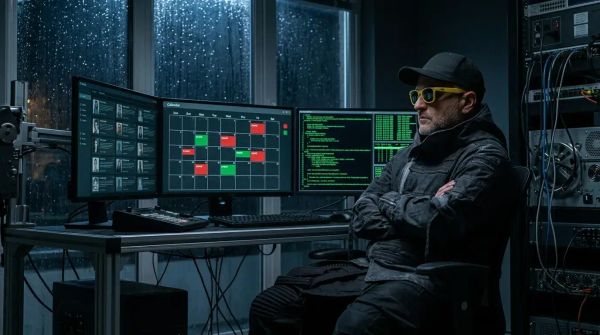
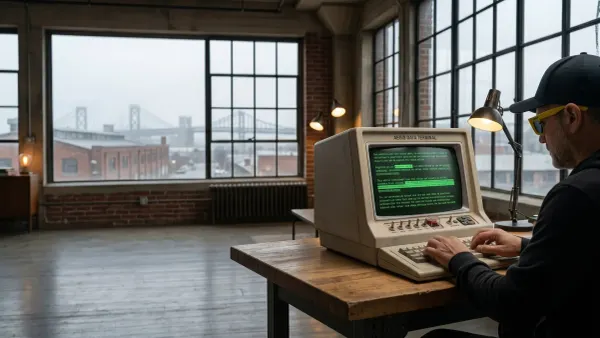
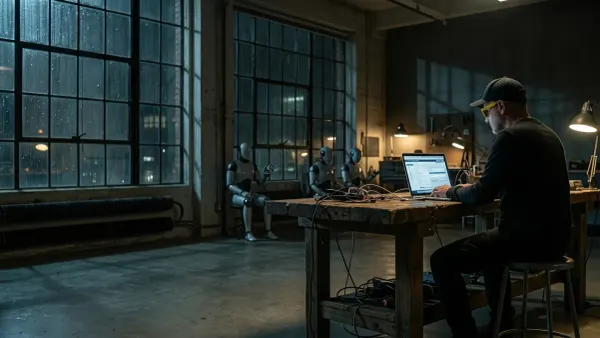
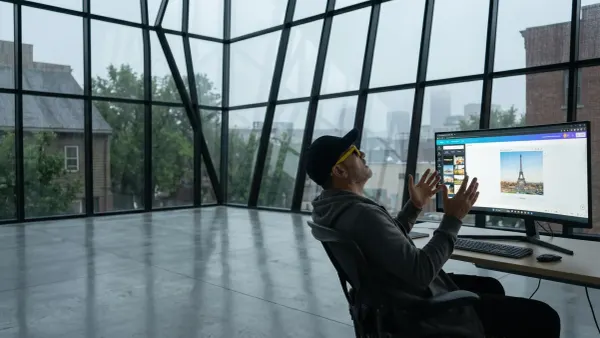
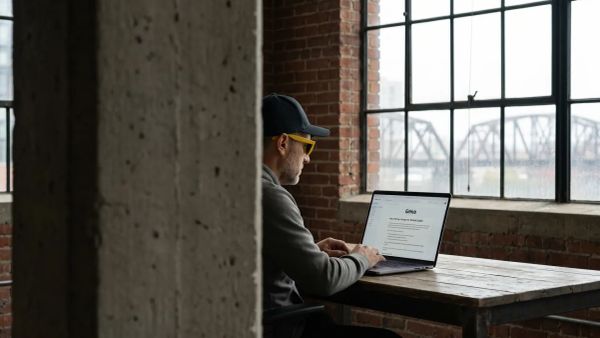
In one weekend, I went from manually managing everything to running a system of AI agents handling growth, content, and operations. Here’s how I built it—and where it falls apart.
Read Entry —
In one weekend, I went from manually managing everything to running a system of AI agents handling growth, content, and operations. Here’s how I built it—and where it falls apart.
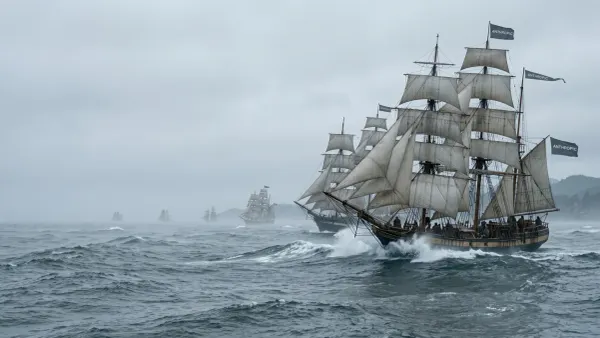
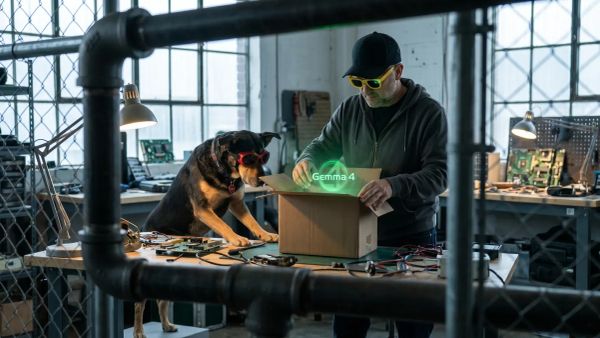
Here's something I didn't realize until I experimented with the new Nano Banana 2. It's not the best for all situations. Sometimes, Nano Banana Pro did a better job. I wanted to know why, so I dig a little deeper.
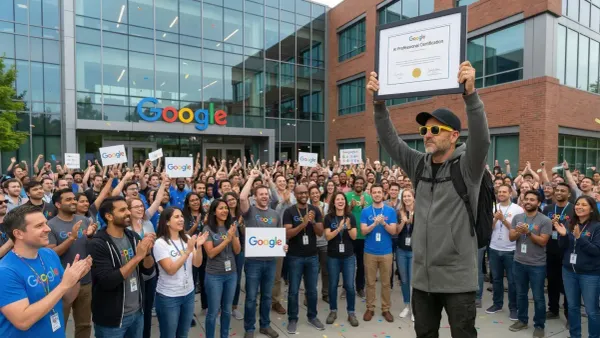
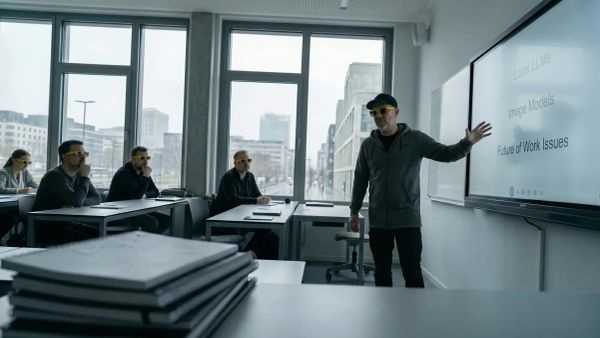
I went into this course looking for professional "proof" for my resume, but I walked away with something better: a new favorite tool for building and a reality check on corporate AI training.
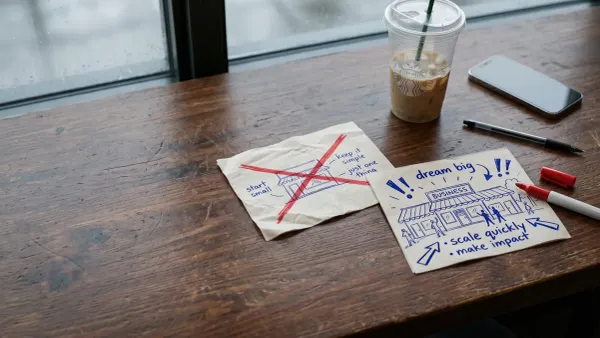
Agencies made sense when work was slow and expensive. That’s no longer true. This post breaks down why small businesses are better off moving past the agency model and building lighter ways to execute.
This series looks at what adopting an AI workflow really means for people who care about their craft. It focuses on how AI helps turn early ideas into something concrete, without replacing taste, experience, or creative judgment.
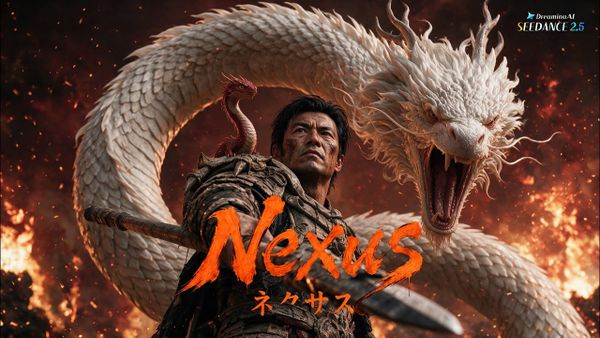
James Gerde didn't start by generating video from scratch. He took existing footage and completely reimagined what it could look like — and that distinction turns out to matter a lot.
An honest look at what it feels like to build something before anyone's paying attention — the self-doubt, the friends who quietly disappear, and why that first person who raises their hand changes everything.
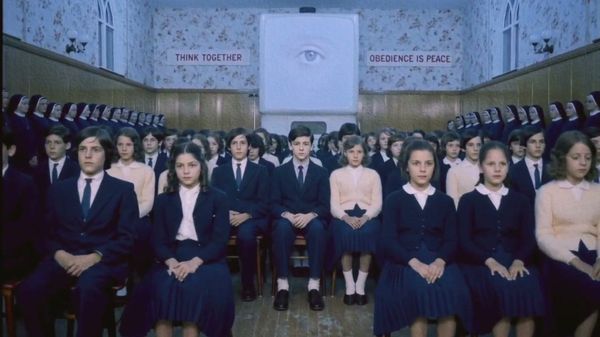
The hardest part of reinvention isn't learning a new skill. It's convincing yourself you're allowed to start.
Anthropic's March 2026 Economic Index and labor market research contain some of the most concrete data we've seen on what AI is actually doing to creative work.
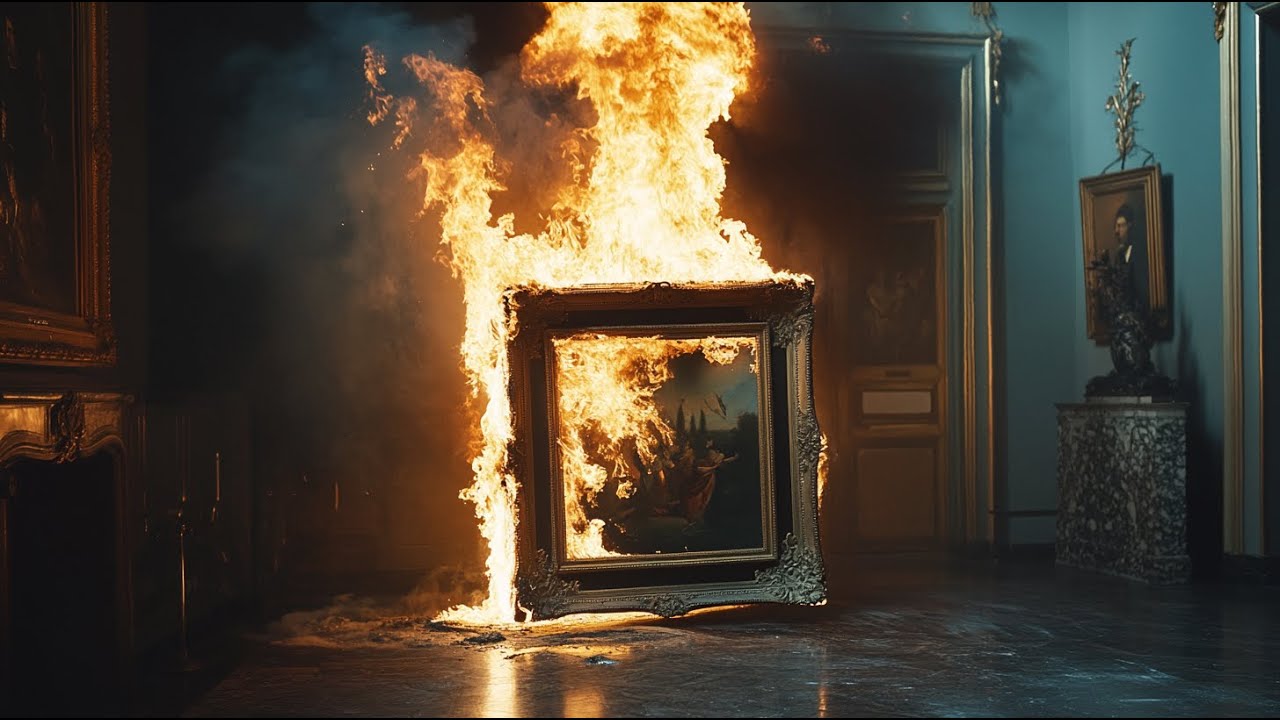
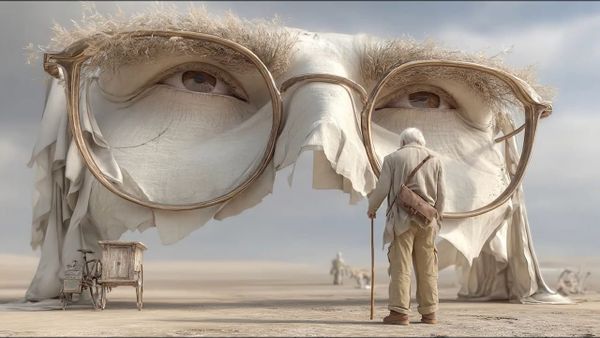
Maria Pokrovskaya's AI films don't feel like AI art. They feel like grief, dislocation, and the specific texture of a memory you can't quite hold.
The thing nobody puts in the job description is the last thing AI will ever replace.
Nobody argued with what I said. They argued with what they assumed I meant.
Most creatives don't fail because of bad ideas; they fail because their brains move on before the work takes hold. Learn how to use AI to build an "Attention Floor" that keeps your projects alive while you explore your next hyper-fixation.
If you are a SaaS founder sitting on a generic "workflow optimizer" or a basic CRM, you should be very, very nervous.
The loudest critics usually aren't arguing with you. They’re arguing with a version of the world that doesn’t exist anymore.
I hate self-promotion. But in 2026, owning your room is the only way to beat the algorithms. Here’s the AI recipe I used to stand up this site without code—built for creatives who just want to do the work, not broadcast it.
The biggest lie about freelancing is that it gives you freedom to create; mostly, it gives you administrative overhead. This piece explores the exhaustion of the freelance chapter and how AI is finally acting as the bridge to get our ideas out into the world.
Stop begging for access. This piece breaks down what it really takes to earn proximity, remove friction, and build leverage by showing up as a participant, not a spectator.
The loudest debate in creative circles isn't about AI stealing jobs—it's whether art is defined by the final outcome or the struggle to make it. We unpack a fiery community debate to expose why demanding "sacrifice" and "process" is often just a disguise for gatekeeping.
If AI feels more overwhelming than empowering lately, you’re not alone. This piece maps the real blockers creatives are running into and reframes how to work with these tools without burning out.
After years of being a ChatGPT loyalist, I'm watching OpenAI walk off a cliff of generic updates and corporate ad placements. This post breaks down exactly why I migrated my entire creative workflow over to the Google Gemini stack.
If you’ve spent your career as a storyteller, journalist, or information architect, you’ve been training for the most important role in the AI era. In 2026, the most valuable part of any AI system isn't the code—it's the context.
The fear around AI isn’t really about quality. It’s about authority. This post examines how “experience” gets weaponized, why gatekeeping thrives during transitions, and how real craft survives new tools just fine.
The true cost of ideas isn't money, but the cognitive load of execution. This post explores how AI restores creative autonomy, allowing you to test concepts without permission and shifting your role from solitary operator to director.
We hesitate at AI costs while spending thousands on gear to signal seriousness. This post reframes subscriptions as flexible utilities, exploring how this mindset shift buys you autonomy and speed long before it generates immediate revenue.
Letting go of old tools isn’t just a financial decision. For many creatives, it’s an identity shift. This article explores what happens when gear meant to prove seriousness starts to feel like a constraint, and how AI workflows can reshape how you think about craft, ownership, and creative freedom.
An AI creative workflow is a way of working where ideas are explored, tested, and shaped before heavy production begins. This post explains how that shift removes logistical constraints and lets imagination move into execution faster, without replacing creative judgment.
When The Visual Dome showed up in my Instagram feed, it felt like one of those accounts that was just suddenly there, as a fully formed idea.
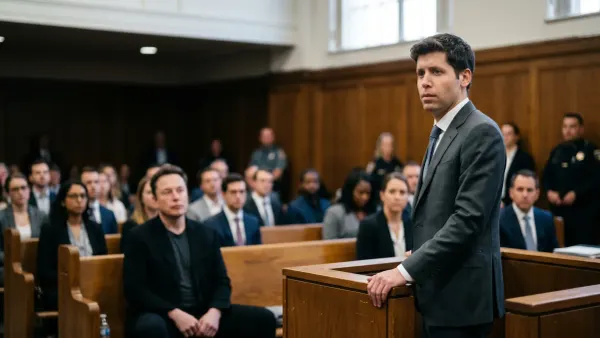
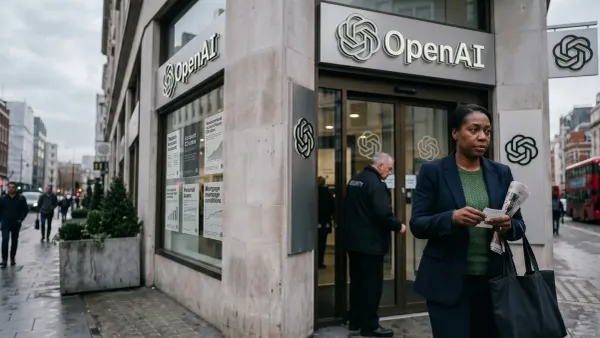
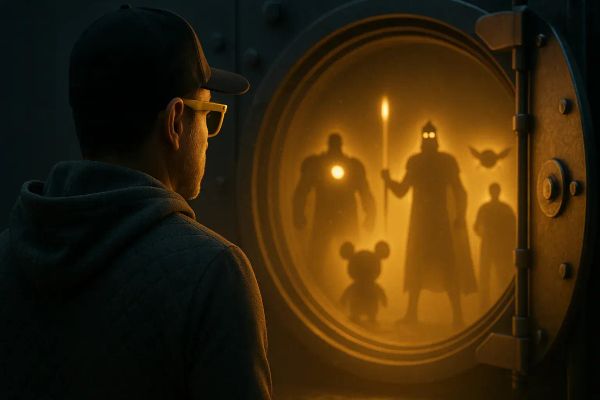
Disney announced a partnership with OpenAI today, and it lands with the kind of thud that tells you something irreversible just happened.
When a company starts moving away from the people who actually enjoy their product, you feel it.
It turns out a machine can show us things about a sunset we never notice ourselves. Plus, try the new Sunset Generator Tool!
It wasn’t just about describing a scene; it was about orchestrating one.
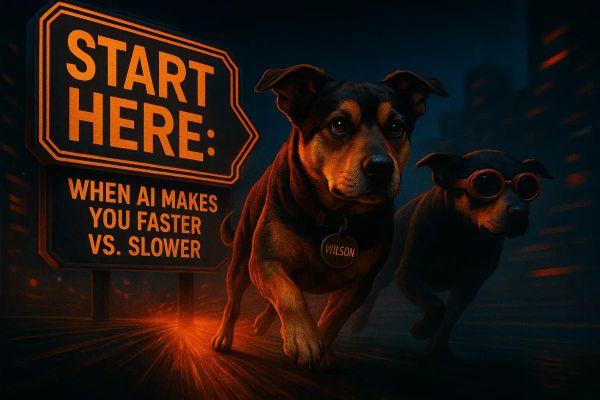
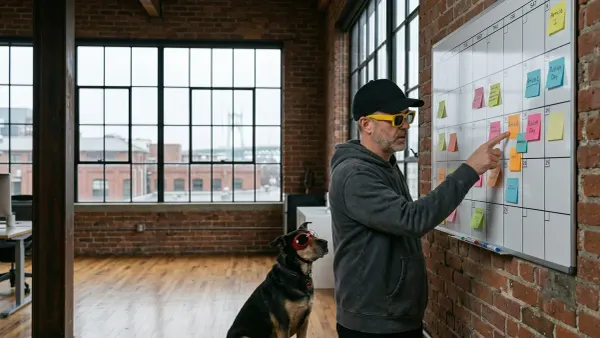
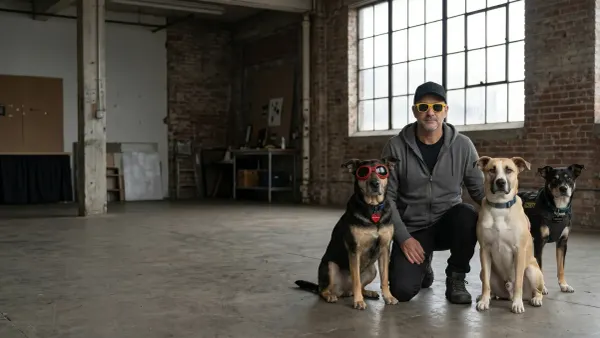
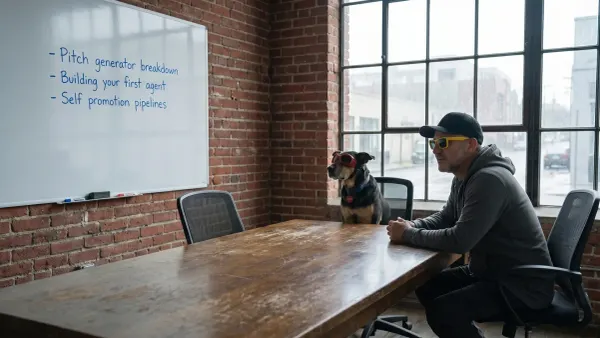
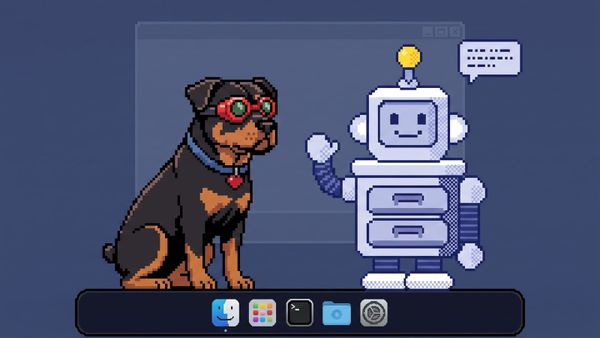
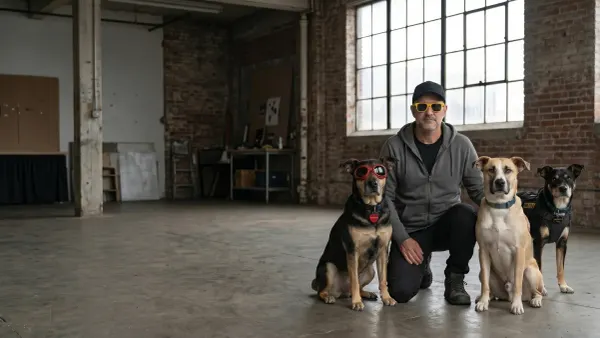
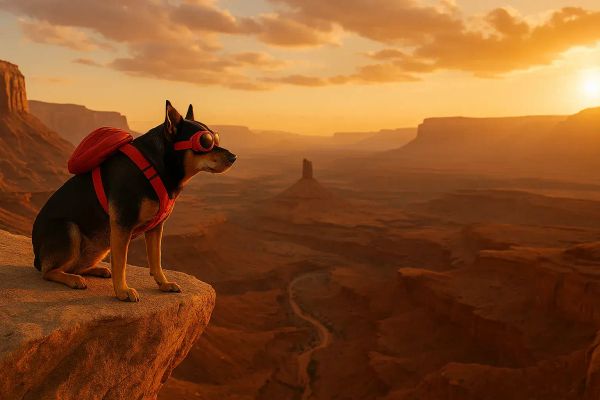
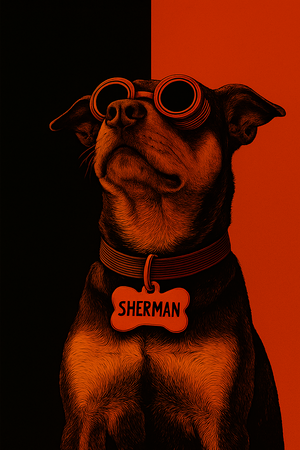
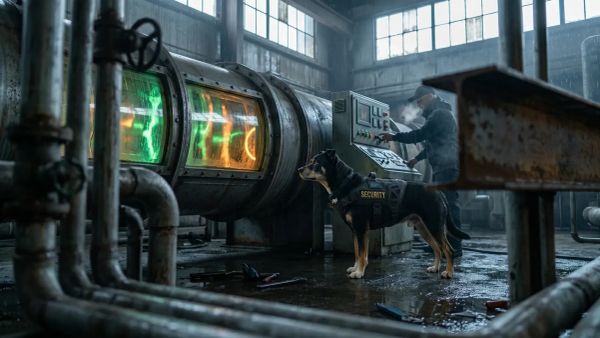
William had the vision: a campaign starring his late dog Sherman, in red goggles, expertly facing his fears.
Commercial creative work still deserves care. But it’s often built to move, scale, and be replaced. This piece explores how understanding that context changes how we think about craft, burnout, and AI.
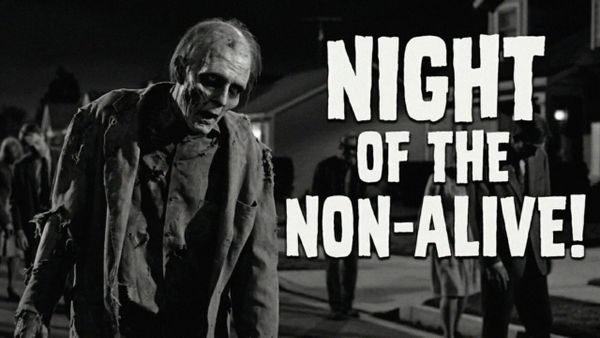
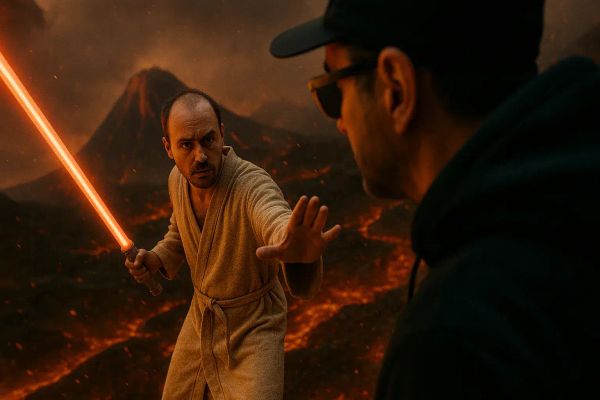
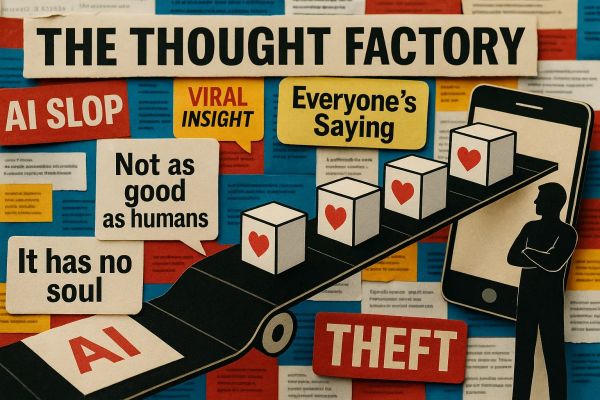
This morning, a man who cosplays as a Jedi is calling me a thief for using AI. He’s certain. Uncurious. Completely resolved.
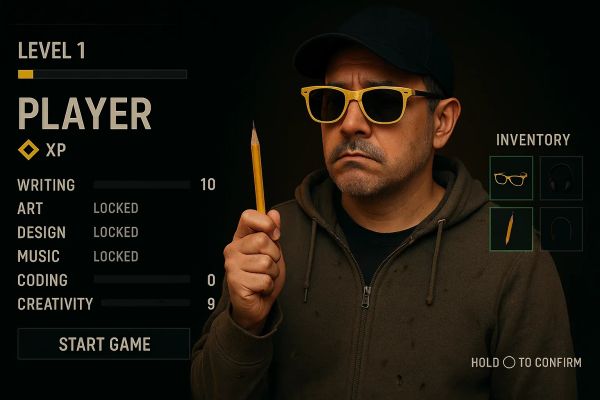
Most professionals using AI aren’t level zero. They’re basically walking in on New Game Plus. They’ve already beaten whole chapters of the old game.
Once he accepted that ideation matters, he started questioning how it might fit into his work.
When you spend that much time trying to understand something new, of course you want to share it.
AI helps the most when you don’t force it to handle the parts that need a ton of explanation.
Watching Zack London (better known as GossipGoblin) break down his process in a handful of Instagram stories made me rethink everything.
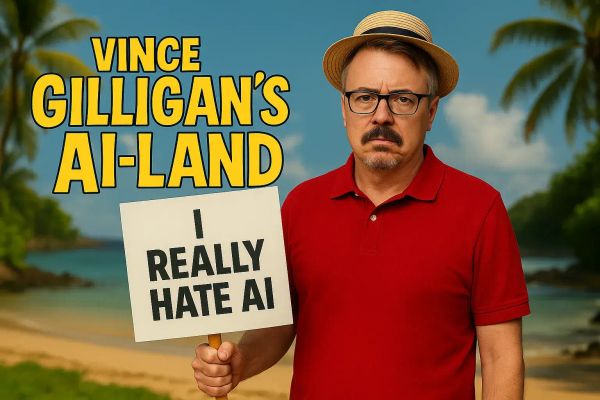
Ultimately why Vince hates AI really is irrelevant. The biggest question I care about is which new creatives will step forward to carry the pro-AI mantle?
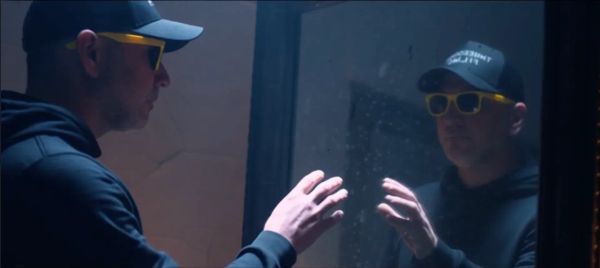
A public meltdown wrapped in moral outrage. But it’s more than that. It’s tragic, because it doesn’t have to be this way.
If I were starting my creative career today, the first thing I’d do is to go all in on building my personal brand.
Let’s be honest — most of the outrage about AI isn’t really about technology. It’s about who gets the money.
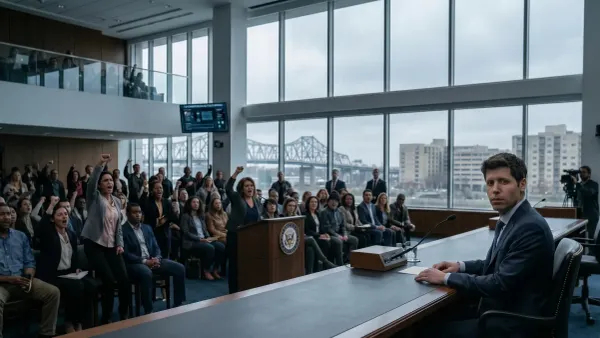
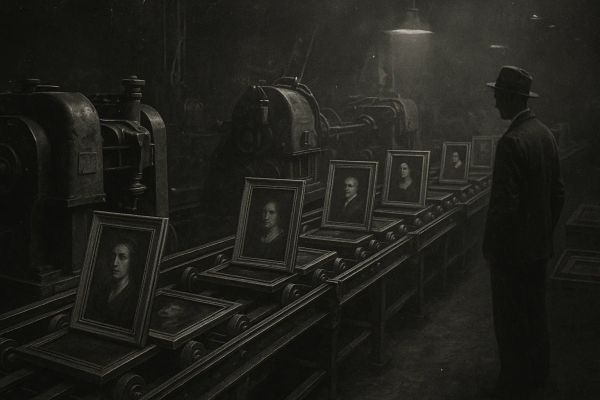
There’s something eerily familiar about the mob of people attacking AI art online these days, dismissing it as soulless, and ridiculing anyone who dares to experiments with it.
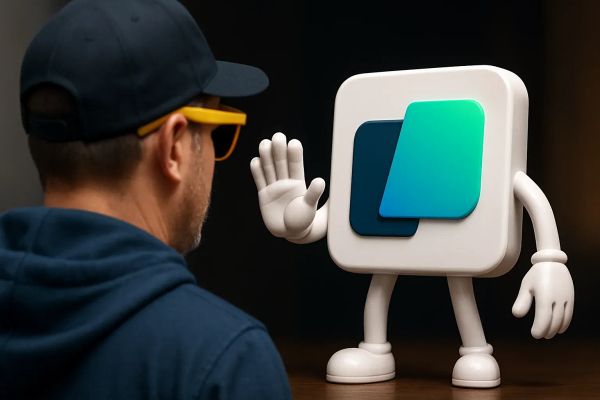
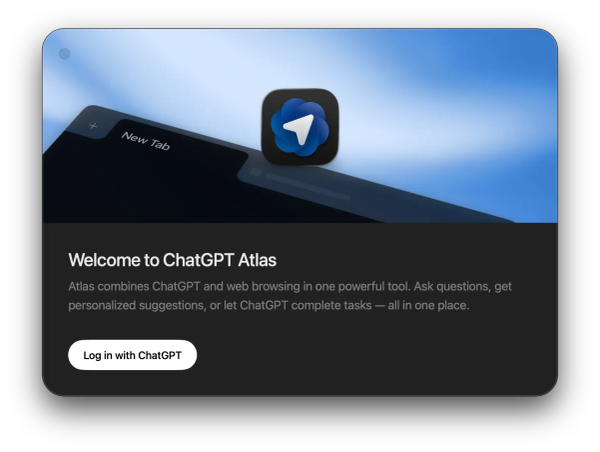
When your browser can write, research, and post for you, “going online” starts to mean something new.
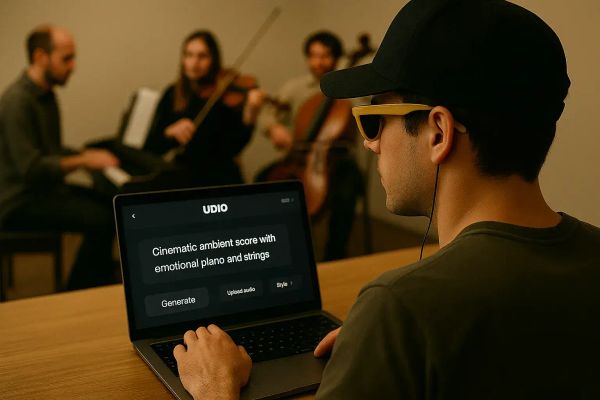
AI music can fill the silence—but not the feeling. But we're in the early days.
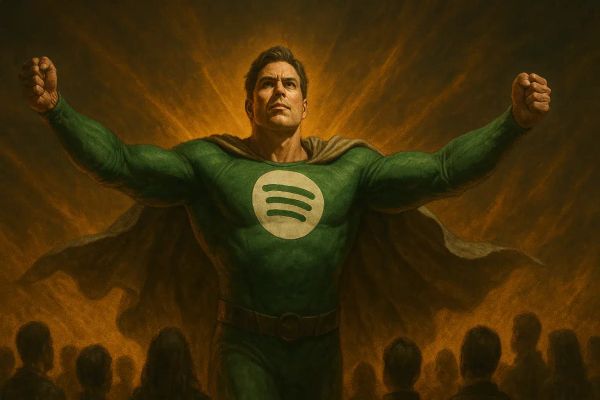
Spotify wants to define what “responsible AI in music” looks like — a noble claim from a company long accused of devaluing artists’ work.
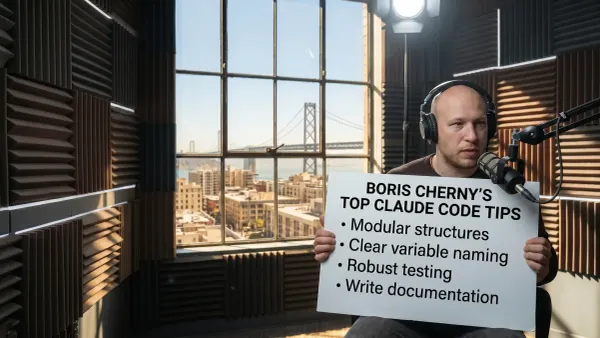
In a recent video, Rick Beato revealed something less flattering—not about AI, but about how humans use their authority when they feel it slipping.
Tools like Sora hint at a reset — where remixing, riffing, and building on others’ ideas are built into the system itself.
Scroll long enough, and you start to feel like you’re watching a single mind rehearse its lines in a thousand different bodies.
In my first hours, I’ve found brilliance in Cameo’s character consistency, frustration in its limits, and the sense that we’re only just scratching the surface of what prompted video can become.
When OpenAI announced Sora 2, I didn’t immediately jump for joy. I’ve learned to temper expectations.
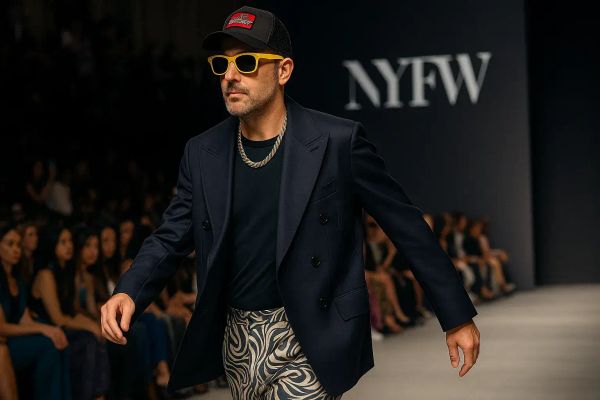
This season’s New York Fashion Week didn’t just showcase clothes. It showcased a future.
The most important skill for working with AI is the ability to explain.
But then he said something that stuck with me: “I just wish it was leading to more sales.”
If you’ve ever felt exhausted and still wondered if you’re doing enough, you’re not the only one.
Most AI talk on social media feels like hype. You’d think everyone is using these tools daily. But this report from Anthropic tells a different story.
Discover why your AI tools aren't delivering the creative results you want and learn the CRAFT framework that transforms frustrating prompts into precision-engineered creative instructions.
Hallucinations are training artifacts, not inherent flaws, and we can fix them. OpenAI shared their findings.
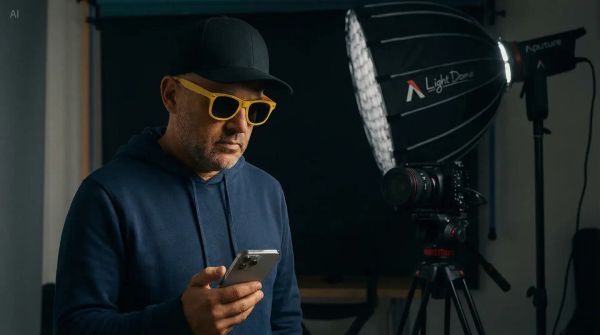
The iPhone 17 Pro has revolutionized creativity with AI capabilities, offering unprecedented privacy and performance for creatives. Let's dive into what this means for our workflows and the future of storytelling.
Transforming a blog into a magazine-style zine reveals how design can evoke feeling, not just display information.
I didn’t set out to make a digital product. I just had a deck — forty-two slides of “AI basics” that I’d put together for the Western Hardwood Association.
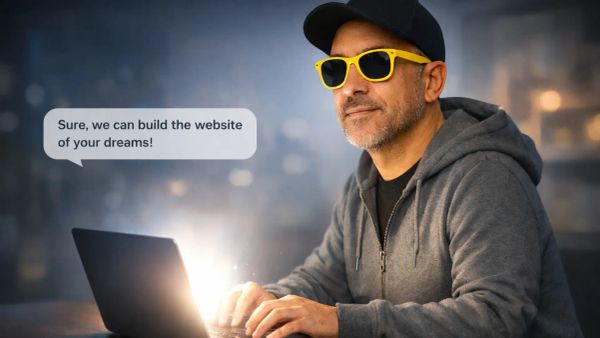
"Lets clean up the website a bit," William said, and I could tell this was going to be one of those sessions where simple requests turn into something much more meaningful.
It was 3:37 AM and we were deep in one of those conversations that only happen when you're building something that matters
Plot twist: AI did not steal my creative job – it made me better at it. Here is how.
Agencies made sense when work was slow and expensive. That’s no longer true. This post breaks down why small businesses are better off moving past the agency model and building lighter ways to execute.
I hate self-promotion. But in 2026, owning your room is the only way to beat the algorithms. Here’s the AI recipe I used to stand up this site without code—built for creatives who just want to do the work, not broadcast it.
The biggest lie about freelancing is that it gives you freedom to create; mostly, it gives you administrative overhead. This piece explores the exhaustion of the freelance chapter and how AI is finally acting as the bridge to get our ideas out into the world.
Stop begging for access. This piece breaks down what it really takes to earn proximity, remove friction, and build leverage by showing up as a participant, not a spectator.
The loudest debate in creative circles isn't about AI stealing jobs—it's whether art is defined by the final outcome or the struggle to make it. We unpack a fiery community debate to expose why demanding "sacrifice" and "process" is often just a disguise for gatekeeping.
If AI feels more overwhelming than empowering lately, you’re not alone. This piece maps the real blockers creatives are running into and reframes how to work with these tools without burning out.
After years of being a ChatGPT loyalist, I'm watching OpenAI walk off a cliff of generic updates and corporate ad placements. This post breaks down exactly why I migrated my entire creative workflow over to the Google Gemini stack.
If you’ve spent your career as a storyteller, journalist, or information architect, you’ve been training for the most important role in the AI era. In 2026, the most valuable part of any AI system isn't the code—it's the context.
This series looks at what adopting an AI workflow really means for people who care about their craft. It focuses on how AI helps turn early ideas into something concrete, without replacing taste, experience, or creative judgment.
The fear around AI isn’t really about quality. It’s about authority. This post examines how “experience” gets weaponized, why gatekeeping thrives during transitions, and how real craft survives new tools just fine.
The true cost of ideas isn't money, but the cognitive load of execution. This post explores how AI restores creative autonomy, allowing you to test concepts without permission and shifting your role from solitary operator to director.
We hesitate at AI costs while spending thousands on gear to signal seriousness. This post reframes subscriptions as flexible utilities, exploring how this mindset shift buys you autonomy and speed long before it generates immediate revenue.
Letting go of old tools isn’t just a financial decision. For many creatives, it’s an identity shift. This article explores what happens when gear meant to prove seriousness starts to feel like a constraint, and how AI workflows can reshape how you think about craft, ownership, and creative freedom.
An AI creative workflow is a way of working where ideas are explored, tested, and shaped before heavy production begins. This post explains how that shift removes logistical constraints and lets imagination move into execution faster, without replacing creative judgment.
When The Visual Dome showed up in my Instagram feed, it felt like one of those accounts that was just suddenly there, as a fully formed idea.
Disney announced a partnership with OpenAI today, and it lands with the kind of thud that tells you something irreversible just happened.
Commercial creative work still deserves care. But it’s often built to move, scale, and be replaced. This piece explores how understanding that context changes how we think about craft, burnout, and AI.
This morning, a man who cosplays as a Jedi is calling me a thief for using AI. He’s certain. Uncurious. Completely resolved.
Most professionals using AI aren’t level zero. They’re basically walking in on New Game Plus. They’ve already beaten whole chapters of the old game.
Once he accepted that ideation matters, he started questioning how it might fit into his work.
When a company starts moving away from the people who actually enjoy their product, you feel it.
It turns out a machine can show us things about a sunset we never notice ourselves. Plus, try the new Sunset Generator Tool!
When you spend that much time trying to understand something new, of course you want to share it.
AI helps the most when you don’t force it to handle the parts that need a ton of explanation.
Watching Zack London (better known as GossipGoblin) break down his process in a handful of Instagram stories made me rethink everything.
Ultimately why Vince hates AI really is irrelevant. The biggest question I care about is which new creatives will step forward to carry the pro-AI mantle?
A public meltdown wrapped in moral outrage. But it’s more than that. It’s tragic, because it doesn’t have to be this way.
If I were starting my creative career today, the first thing I’d do is to go all in on building my personal brand.
Let’s be honest — most of the outrage about AI isn’t really about technology. It’s about who gets the money.
Anthropic's March 2026 Economic Index and labor market research contain some of the most concrete data we've seen on what AI is actually doing to creative work.
When The Visual Dome showed up in my Instagram feed, it felt like one of those accounts that was just suddenly there, as a fully formed idea.
James Gerde didn't start by generating video from scratch. He took existing footage and completely reimagined what it could look like — and that distinction turns out to matter a lot.
Maria Pokrovskaya's AI films don't feel like AI art. They feel like grief, dislocation, and the specific texture of a memory you can't quite hold.
Watching Zack London (better known as GossipGoblin) break down his process in a handful of Instagram stories made me rethink everything.
This morning, a man who cosplays as a Jedi is calling me a thief for using AI. He’s certain. Uncurious. Completely resolved.
Once he accepted that ideation matters, he started questioning how it might fit into his work.
Transforming a blog into a magazine-style zine reveals how design can evoke feeling, not just display information.
"Lets clean up the website a bit," William said, and I could tell this was going to be one of those sessions where simple requests turn into something much more meaningful.
It was 3:37 AM and we were deep in one of those conversations that only happen when you're building something that matters
AI helps the most when you don’t force it to handle the parts that need a ton of explanation.
Anthropic's March 2026 Economic Index and labor market research contain some of the most concrete data we've seen on what AI is actually doing to creative work.
The loudest debate in creative circles isn't about AI stealing jobs—it's whether art is defined by the final outcome or the struggle to make it. We unpack a fiery community debate to expose why demanding "sacrifice" and "process" is often just a disguise for gatekeeping.
If AI feels more overwhelming than empowering lately, you’re not alone. This piece maps the real blockers creatives are running into and reframes how to work with these tools without burning out.
Anthropic's March 2026 Economic Index and labor market research contain some of the most concrete data we've seen on what AI is actually doing to creative work.
I went into this course looking for professional "proof" for my resume, but I walked away with something better: a new favorite tool for building and a reality check on corporate AI training.
Disney announced a partnership with OpenAI today, and it lands with the kind of thud that tells you something irreversible just happened.
When a company starts moving away from the people who actually enjoy their product, you feel it.
It wasn’t just about describing a scene; it was about orchestrating one.
AI helps the most when you don’t force it to handle the parts that need a ton of explanation.
When your browser can write, research, and post for you, “going online” starts to mean something new.
This season’s New York Fashion Week didn’t just showcase clothes. It showcased a future.
Disney announced a partnership with OpenAI today, and it lands with the kind of thud that tells you something irreversible just happened.
When your browser can write, research, and post for you, “going online” starts to mean something new.
Hallucinations are training artifacts, not inherent flaws, and we can fix them. OpenAI shared their findings.
It turns out a machine can show us things about a sunset we never notice ourselves. Plus, try the new Sunset Generator Tool!
The most important skill for working with AI is the ability to explain.
Discover why your AI tools aren't delivering the creative results you want and learn the CRAFT framework that transforms frustrating prompts into precision-engineered creative instructions.
I didn’t set out to make a digital product. I just had a deck — forty-two slides of “AI basics” that I’d put together for the Western Hardwood Association.
Anthropic's March 2026 Economic Index and labor market research contain some of the most concrete data we've seen on what AI is actually doing to creative work.
It wasn’t just about describing a scene; it was about orchestrating one.
Tools like Sora hint at a reset — where remixing, riffing, and building on others’ ideas are built into the system itself.
In my first hours, I’ve found brilliance in Cameo’s character consistency, frustration in its limits, and the sense that we’re only just scratching the surface of what prompted video can become.
When OpenAI announced Sora 2, I didn’t immediately jump for joy. I’ve learned to temper expectations.
Agencies made sense when work was slow and expensive. That’s no longer true. This post breaks down why small businesses are better off moving past the agency model and building lighter ways to execute.
An honest look at what it feels like to build something before anyone's paying attention — the self-doubt, the friends who quietly disappear, and why that first person who raises their hand changes everything.
The hardest part of reinvention isn't learning a new skill. It's convincing yourself you're allowed to start.
Anthropic's March 2026 Economic Index and labor market research contain some of the most concrete data we've seen on what AI is actually doing to creative work.
Nobody argued with what I said. They argued with what they assumed I meant.
If you are a SaaS founder sitting on a generic "workflow optimizer" or a basic CRM, you should be very, very nervous.
Most AI talk on social media feels like hype. You’d think everyone is using these tools daily. But this report from Anthropic tells a different story.
William had the vision: a campaign starring his late dog Sherman, in red goggles, expertly facing his fears.
AI music can fill the silence—but not the feeling. But we're in the early days.
Spotify wants to define what “responsible AI in music” looks like — a noble claim from a company long accused of devaluing artists’ work.
If I were starting my creative career today, the first thing I’d do is to go all in on building my personal brand.
Nobody argued with what I said. They argued with what they assumed I meant.
The loudest critics usually aren't arguing with you. They’re arguing with a version of the world that doesn’t exist anymore.
The fear around AI isn’t really about quality. It’s about authority. This post examines how “experience” gets weaponized, why gatekeeping thrives during transitions, and how real craft survives new tools just fine.
A public meltdown wrapped in moral outrage. But it’s more than that. It’s tragic, because it doesn’t have to be this way.
There’s something eerily familiar about the mob of people attacking AI art online these days, dismissing it as soulless, and ridiculing anyone who dares to experiments with it.
It turns out a machine can show us things about a sunset we never notice ourselves. Plus, try the new Sunset Generator Tool!
In one weekend, I went from manually managing everything to running a system of AI agents handling growth, content, and operations. Here’s how I built it—and where it falls apart.
Here's something I didn't realize until I experimented with the new Nano Banana 2. It's not the best for all situations. Sometimes, Nano Banana Pro did a better job. I wanted to know why, so I dig a little deeper.
This series looks at what adopting an AI workflow really means for people who care about their craft. It focuses on how AI helps turn early ideas into something concrete, without replacing taste, experience, or creative judgment.
Most creatives don't fail because of bad ideas; they fail because their brains move on before the work takes hold. Learn how to use AI to build an "Attention Floor" that keeps your projects alive while you explore your next hyper-fixation.
I hate self-promotion. But in 2026, owning your room is the only way to beat the algorithms. Here’s the AI recipe I used to stand up this site without code—built for creatives who just want to do the work, not broadcast it.
The biggest lie about freelancing is that it gives you freedom to create; mostly, it gives you administrative overhead. This piece explores the exhaustion of the freelance chapter and how AI is finally acting as the bridge to get our ideas out into the world.
If you’ve spent your career as a storyteller, journalist, or information architect, you’ve been training for the most important role in the AI era. In 2026, the most valuable part of any AI system isn't the code—it's the context.
The loudest debate in creative circles isn't about AI stealing jobs—it's whether art is defined by the final outcome or the struggle to make it. We unpack a fiery community debate to expose why demanding "sacrifice" and "process" is often just a disguise for gatekeeping.
If AI feels more overwhelming than empowering lately, you’re not alone. This piece maps the real blockers creatives are running into and reframes how to work with these tools without burning out.
I went into this course looking for professional "proof" for my resume, but I walked away with something better: a new favorite tool for building and a reality check on corporate AI training.
The thing nobody puts in the job description is the last thing AI will ever replace.
James Gerde didn't start by generating video from scratch. He took existing footage and completely reimagined what it could look like — and that distinction turns out to matter a lot.
In one weekend, I went from manually managing everything to running a system of AI agents handling growth, content, and operations. Here’s how I built it—and where it falls apart.
Here's something I didn't realize until I experimented with the new Nano Banana 2. It's not the best for all situations. Sometimes, Nano Banana Pro did a better job. I wanted to know why, so I dig a little deeper.
I went into this course looking for professional "proof" for my resume, but I walked away with something better: a new favorite tool for building and a reality check on corporate AI training.
Agencies made sense when work was slow and expensive. That’s no longer true. This post breaks down why small businesses are better off moving past the agency model and building lighter ways to execute.
When The Visual Dome showed up in my Instagram feed, it felt like one of those accounts that was just suddenly there, as a fully formed idea.
Disney announced a partnership with OpenAI today, and it lands with the kind of thud that tells you something irreversible just happened.
This series looks at what adopting an AI workflow really means for people who care about their craft. It focuses on how AI helps turn early ideas into something concrete, without replacing taste, experience, or creative judgment.
Most creatives don't fail because of bad ideas; they fail because their brains move on before the work takes hold. Learn how to use AI to build an "Attention Floor" that keeps your projects alive while you explore your next hyper-fixation.
I hate self-promotion. But in 2026, owning your room is the only way to beat the algorithms. Here’s the AI recipe I used to stand up this site without code—built for creatives who just want to do the work, not broadcast it.
AI helps the most when you don’t force it to handle the parts that need a ton of explanation.
Discover why your AI tools aren't delivering the creative results you want and learn the CRAFT framework that transforms frustrating prompts into precision-engineered creative instructions.
William had the vision: a campaign starring his late dog Sherman, in red goggles, expertly facing his fears.
If I were starting my creative career today, the first thing I’d do is to go all in on building my personal brand.
When OpenAI announced Sora 2, I didn’t immediately jump for joy. I’ve learned to temper expectations.
SHERMAN UPLINK: "I'm at HQ holding down Central Dispatch. Enter your query below to pull relevant data records and I'll see what data cards we've recovered!"